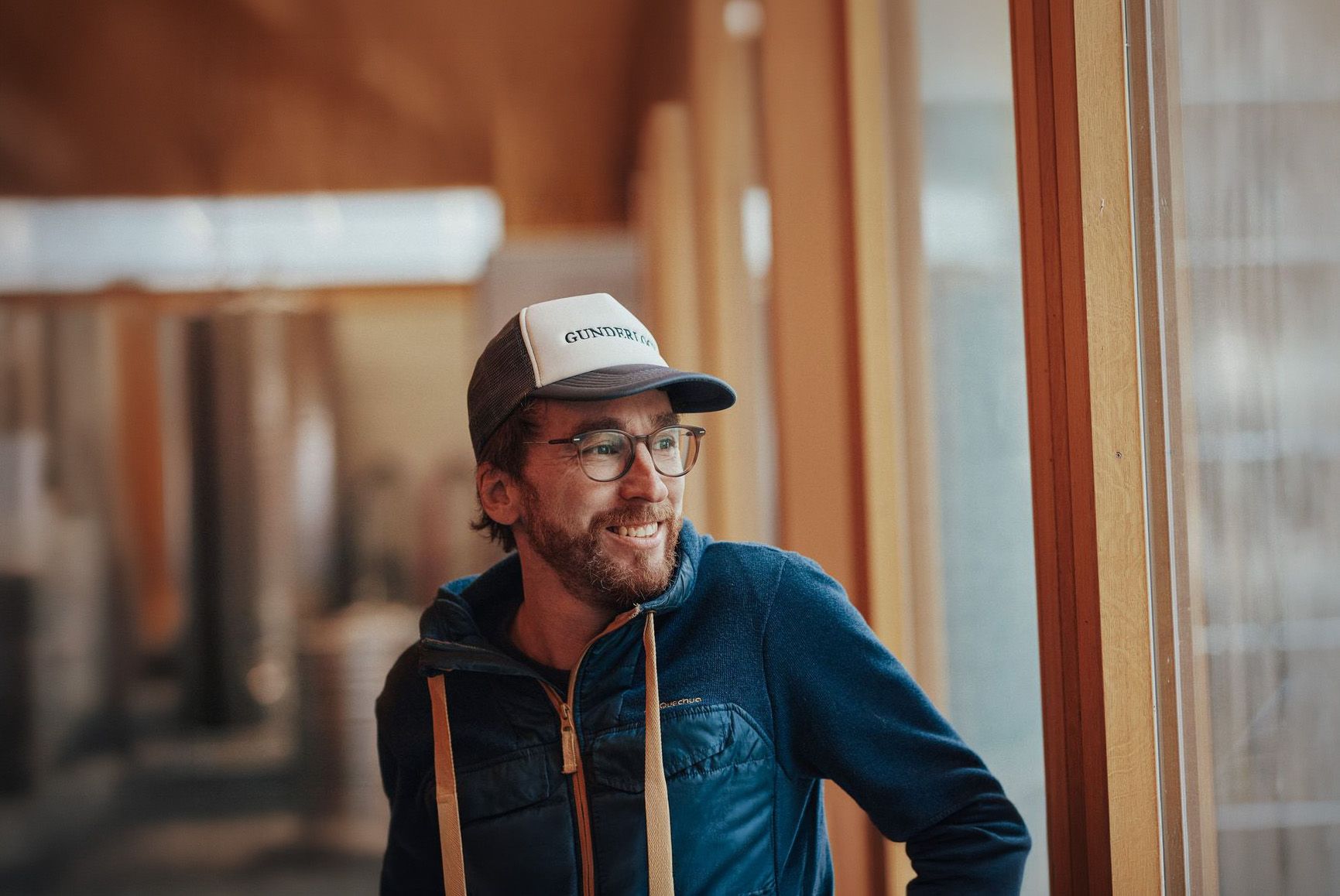
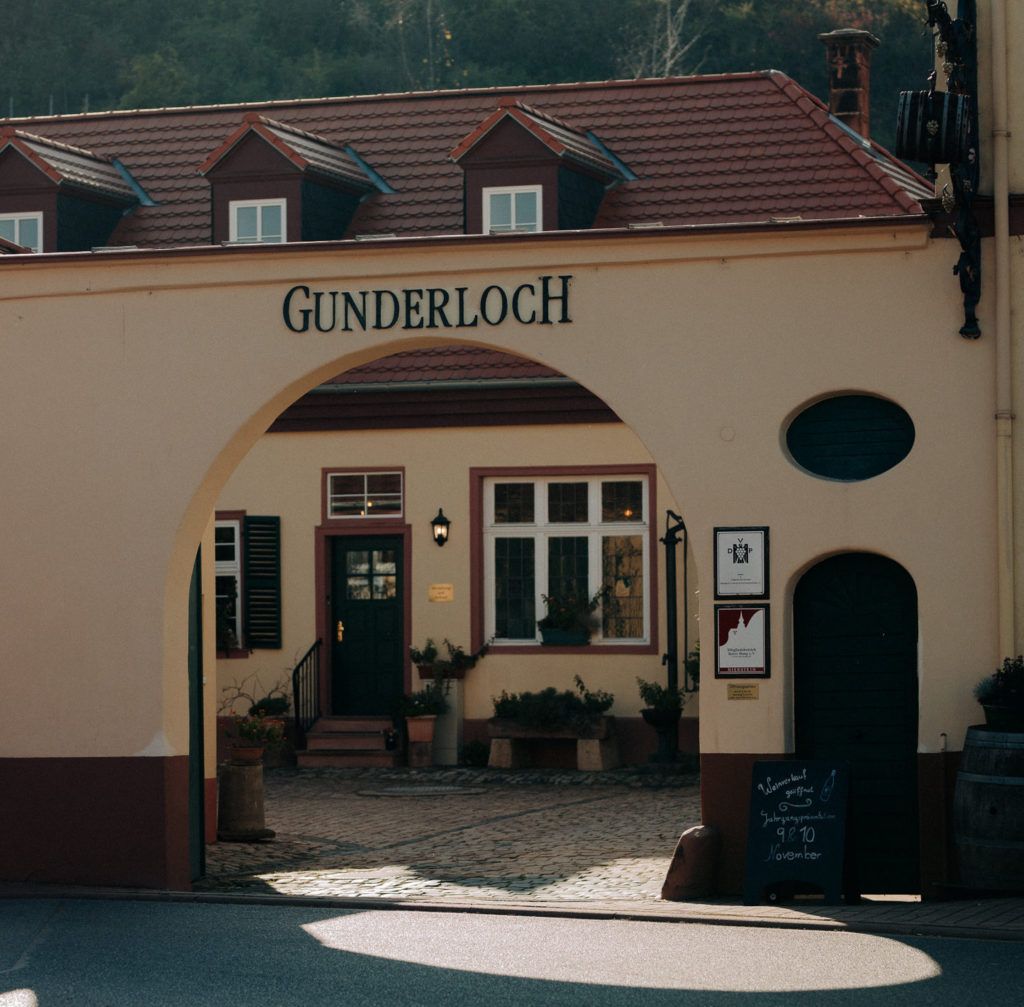
Gunderloch are one of the Rheinhessen’s most respected producers, known for their complex Rieslings derived from the distinctive, red soils of Roter Hang. Though the estate has over 130 years of history, including a pivotal role in the founding of the Verband Deutscher Prädikatsweingüter (VDP), its reputation has been shaped by a willingness to adapt in pursuit of continued quality.
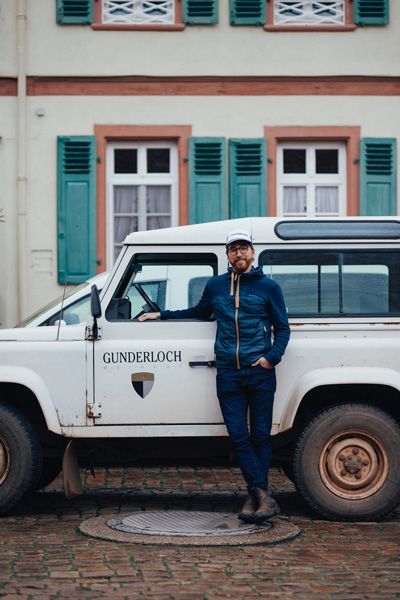
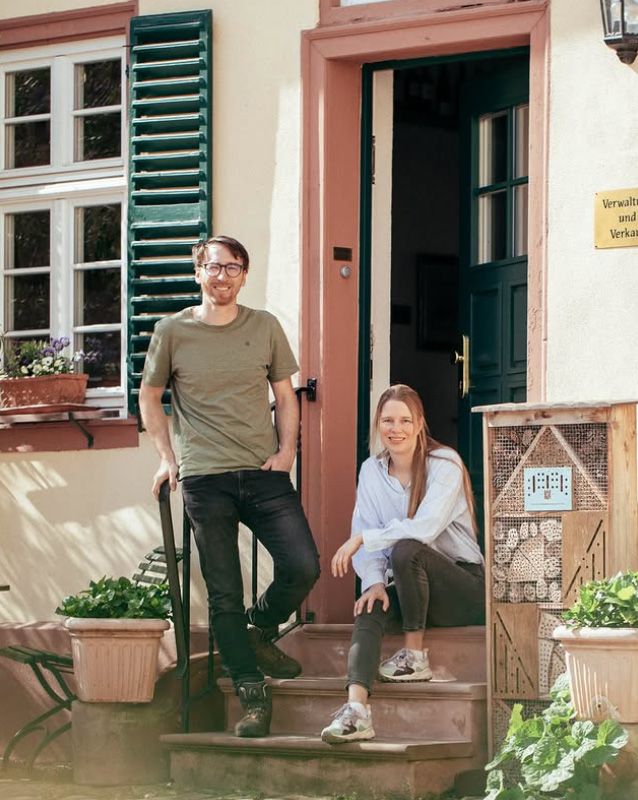
Here we speak with sixth-generation winemaker Johannes Hasselbach, who also serves as the President of the VDP Rheinhessen, about his family estate, the significance of their vineyards and how he has continued to drive the estate and its legacy forward.
For more information about purchasing Gunderloch's wines, please contact your Account Manager. Not yet a customer? Contact Us to discuss opening an account.
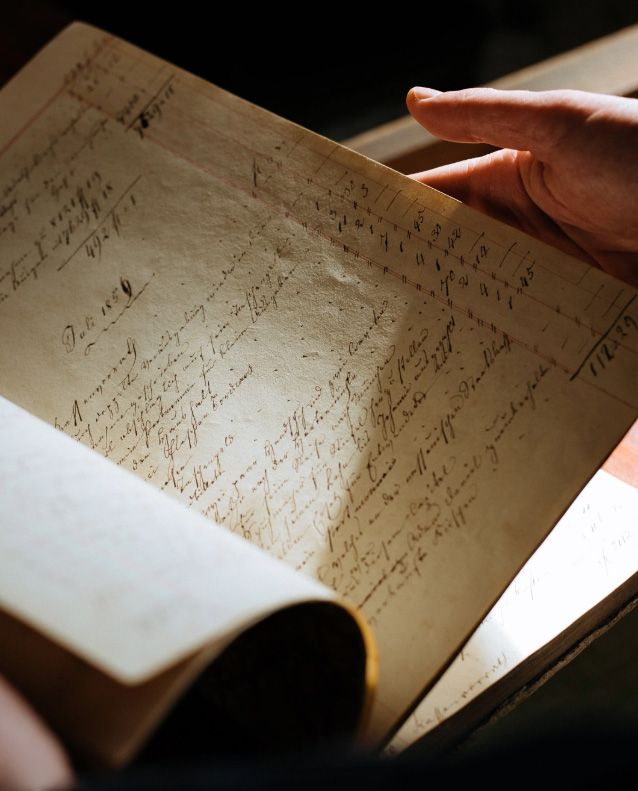
Your family was very involved in founding the VDP. How did that come about, and what exactly was your family’s involvement?
I think, besides being someone who really recognised something special in nature, and of course being a huge wine lover, my great-great-great-grandfather also had strong ideas about what quality wine production should mean.
You have to remember that around 1890, Germany was a very different place, and making a living from wine was difficult. I think he and a group of colleagues were motivated by the idea of redefining what quality grape growing and winemaking should look like in Germany, especially because German wine did not necessarily have the best reputation internationally at that time.
He recognised that we had unique vineyard sites, but the question was how to create a framework, an ethic, a kind of rulebook for quality wine production. Back then, there were essentially no rules, and people could do whatever they wanted.
The founding of the VDP was about setting standards for quality wine production in Germany. That eventually led to where we are today, with the VDP being the only nationwide wine association in Germany that is fundamentally focused on quality.
It also helps enormously in export markets. There are around 200 wineries in the VDP, which is maybe only 1-2% of German wine production overall, but I do not think it is exaggerated to say these are among the country’s most important producers.
I would say that is very accurate. In export markets, the VDP is often the reference point because those producers tend to have the biggest international impact due to that quality focus.
And we are actually one of only three founding members of the VDP that has remained continuously involved. Some estates left and later returned, but we have been members for the last 135 years without interruption. My great-great-grandfather was chairman of the VDP in Rheinhessen, then my great-grandfather as well, and now it has somehow become my turn too.
I think the VDP plays an especially important role right now because we are still working on how best to communicate German wine. There have been major changes recently, and I think they make a lot of sense because we are moving away from the old Prädikat-focused system and more toward a Burgundian-style understanding based on vineyard origin.
That idea was really pioneered by the VDP, and now the German wine law is changing to integrate those principles officially. It is exciting, though sometimes maybe a little too exciting. But ultimately wine classification needs to be understandable, and vineyard origin is the best explanation for why wines taste different.
In the past, classification was more focused on sugar ripeness. Now it is increasingly origin-driven, and we want the legal system to reflect that.
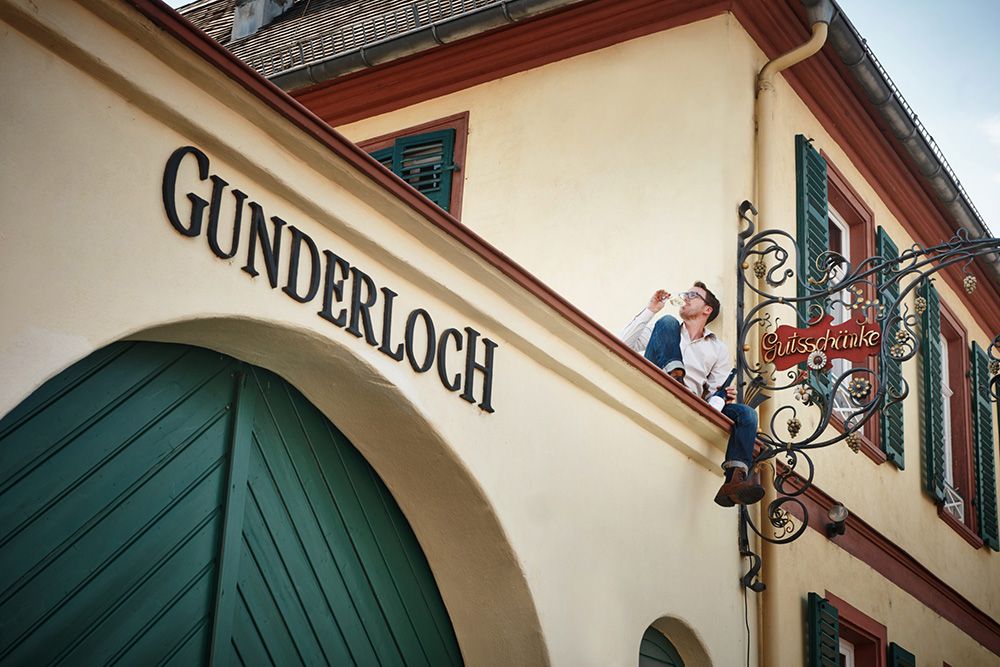
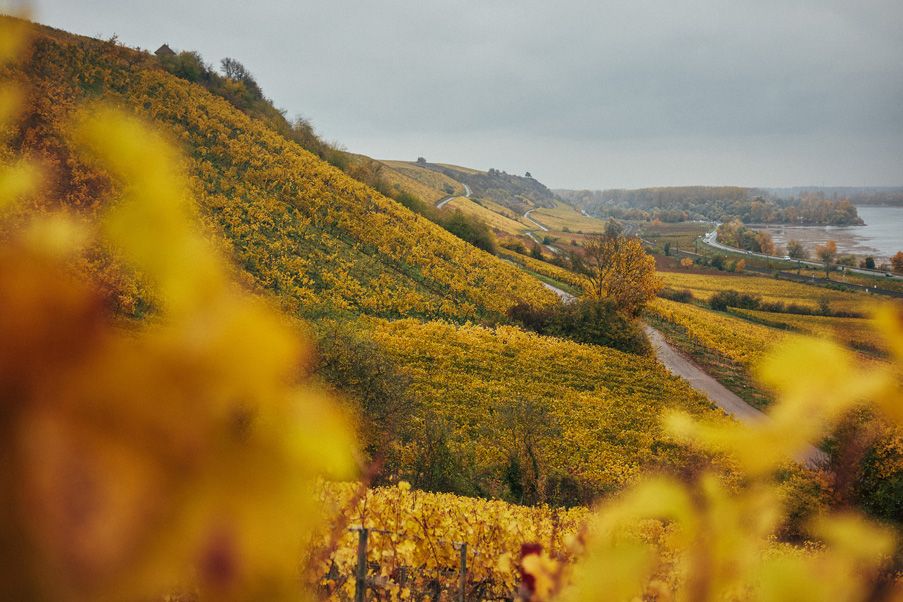
Gunderloch is a very historic estate, but it continues to be incredibly relevant. What does Gunderloch’s story look like in the present day?
For us, vineyard sites are the true story we want to tell. We work with Riesling, of course, but I would not even describe ourselves primarily as a Riesling winery. Riesling is simply the most beautiful communication tool for translating the story of our land into wine.
The Roter Hang is incredibly unique. If you drive through the area, everything around it is flat, and then suddenly this huge red rock rises up from the Rhine. It is a four kilometre stretch, unlike anything else in the region. The terroir there combines elements you almost never find together anywhere else in the world.
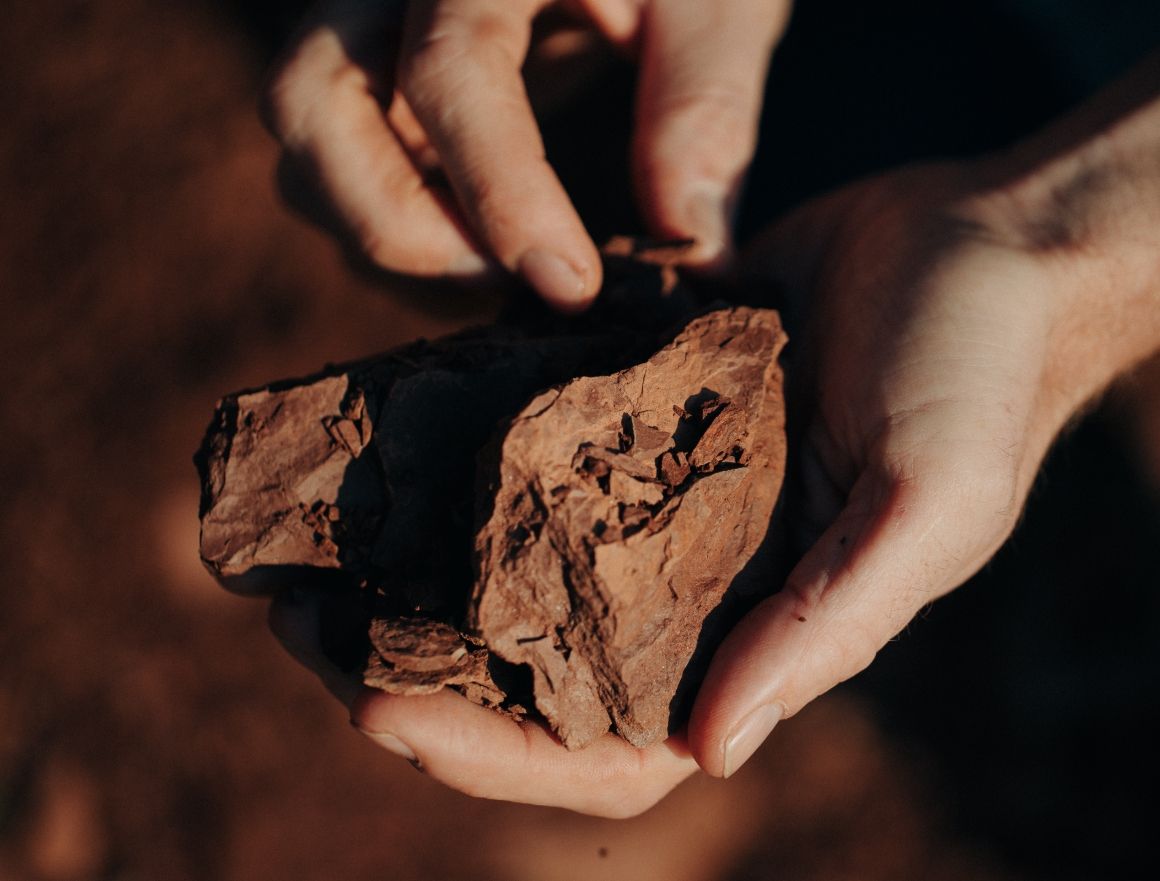
The soil itself is around 290 million years old, Permian sandstone compressed into a slate-like structure we call red clay slate. Unlike the slate soils in the Mosel or Rheingau, which are volcanic in origin, ours are sedimentary. In Permian times, this entire area was essentially a desert close to the equator. Over millions of years, the soil was buried, then tectonic movements tilted the layers upward, the sea receded, and the Rhine excavated the rock.
Normally, you would never have access to this geological layer, but here the river exposed it perfectly. So, the combination of geology, slope, river influence and climate is incredibly rare.
Climatically, we also benefit from warm days and very cool nights. Cold air collects on the plateau above the Roter Hang and drops down into the Rhine valley overnight, which helps preserve freshness and aromatic precision in the wines.
So even though the wines are very expressive and soil-driven, they still retain elegance, freshness and relatively moderate alcohol. That combination is really special.
The entire area is only about 80 hectares in total, and we farm around thirty of those hectares, so we are one of the largest holders there. There are maybe five major producers in the area, including Kühling-Gillot, St. Antony, Schätzel and Klaus-Peter Keller, who also now farms some parts in the prestigious Hipping and Pettenthal vineyards. I think one of the reasons the region works so well is because there is a real spirit of cooperation. Farming steep vineyards organically is not easy, so sharing knowledge and working together is essential.
That is especially true now as we start implementing modern technology like drone spraying and other precision farming tools. Those things become much easier when producers collaborate instead of trying to do everything individually.
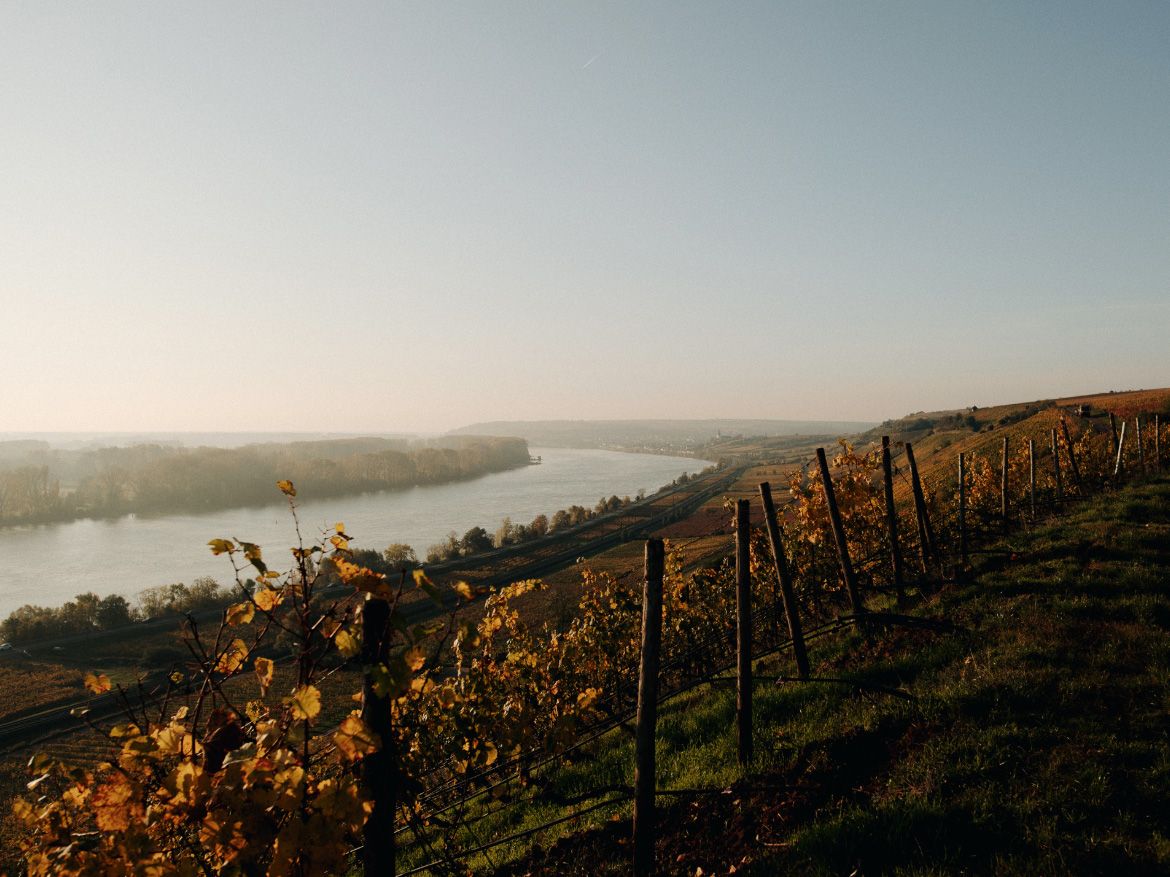
What is it about your vineyards, particularly ‘Pettenthal’ and ‘Rothenberg’, that make them so distinctive?
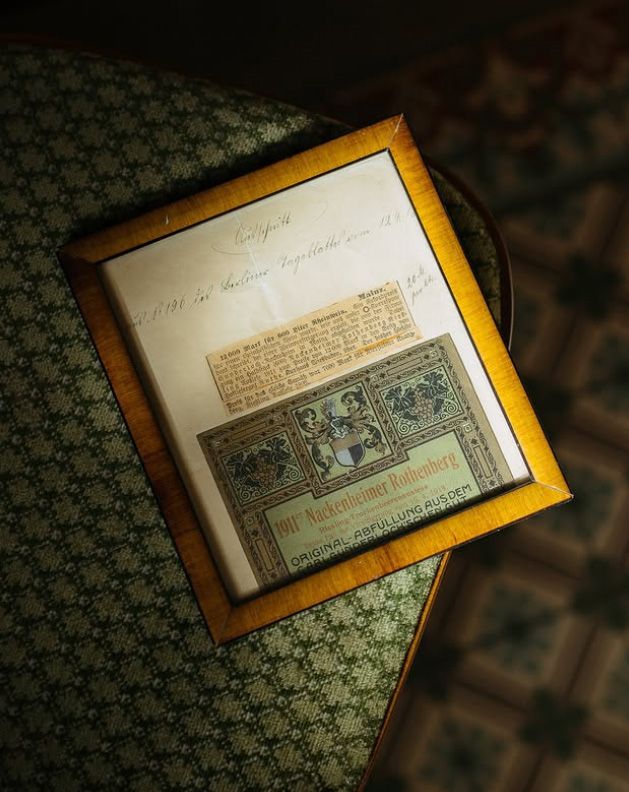
We are incredibly fortunate to farm these vineyards, and that really goes back to the vision of my great-great-grandfather. ‘Rothenberg’, in particular, has an especially deep connection to our family because it is essentially where the estate began. It is probably the most difficult vineyard we work with in the entire Roter Hang. The slopes are extremely steep, and the soil is almost pure rock. There is barely any topsoil at all. If you dig down even ten centimetres, you reach solid stone immediately.
It is also the warmest of our sites because the vineyard faces just slightly more towards the sun. That tiny difference changes everything. ‘Rothenberg’ gives us a lot of headaches and demands an enormous amount of dedication, but at the same time, it allows us to produce wines that could not come from anywhere else in the world. Our family has been farming this land for more than 130 years, and there is something very emotional about continuing that relationship across generations.
Rothenberg has such a clear identity that I am convinced I could always recognise it blind. If you poured 30 wines for me, I might occasionally hesitate between ‘Pettenthal’ and ‘Hipping’, but ‘Rothenberg’ always speaks with its own unmistakable voice. Every generation in our family has understood the vineyard a little differently. For my parents, the sweeter style of ‘Rothenberg’, especially the Spätlese, was the defining wine of the estate. For me, it is the ‘Rothenberg Grosses Gewächs’. That wine feels like the purest expression of everything we believe in, from our philosophy and farming practices to the ethics behind the work.
Farming ‘Rothenberg’ requires constant attention and care, but when everything comes together properly, the result is a wine with a completely unique character. In the cellar, the goal is simply to guide it carefully and respectfully without stripping away the qualities that make it special.
‘Pettenthal’ feels quite different. Things become a little easier there, and in some ways a little more classically Riesling in style. ‘Rothenberg’ is driven very strongly by the soil, with herbal notes, tea-like aromatics, and intensely zesty flavours. ‘Pettenthal’, by contrast, shows more freshness and brighter fruit, with a lighter and more open character.
Our section of ‘Pettenthal’ is located in a particularly cool pocket of the vineyard. The site begins warm near the Rhine and then curves into a side valley where the vines receive earlier shade and greater protection from the sun. Cold air also funnels through that section, which keeps the wines fresher and more precise. Even though ‘Rothenberg’ and ‘Pettenthal’ are separated only by a road, crossing between them genuinely feels like entering another world. That is one of the things I find most fascinating about Riesling. Tiny differences in climate, exposure, and soil create completely different expressions.
The soils differ as well. ‘Rothenberg’ is made up of large, solid rock formations, while ‘Pettenthal’ has softer, more broken-up soils with small pebbles scattered across the surface. The ground is deeper and slightly easier for the vines to penetrate.
How do you translate this in your wines?
In the cellar, we treat the wines exactly the same. There is no separate winemaking philosophy for each vineyard. The differences come entirely from the origin itself.
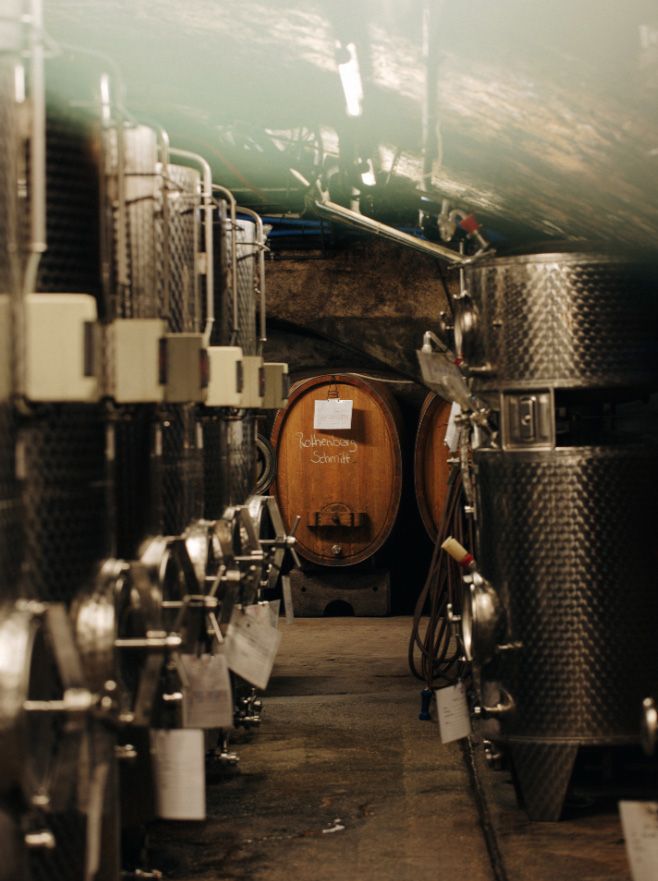
At the estate level, our winemaking is more conventional. Those wines are fermented in stainless steel with temperature control, very much in line with what you would learn at winemaking school. The focus there is on preserving aromatics and varietal expression.
Once we move into the single vineyard wines, however, the philosophy changes completely. We actually use a different cellar for those wines. The modern winery sits above ground and contains all the technical equipment, but beneath our house we still have the original cellar with old oak barrels and no temperature control. That space has remained almost untouched since it was first built.
For the single vineyard wines, we rely on methods that are much older and far less interventionist. We use extended skin contact because we believe the skins contain a huge amount of information about the vineyard. We also leave the wines on their full lees for long periods and avoid racking them. Once fermentation is complete, we top up the barrels and leave the wines there until bottling. The idea is not to manipulate the wine into a certain shape, but to allow it to express itself naturally.
For me, the danger in modern winemaking is becoming too technical and too formulaic. You can easily fall into a pattern of thinking that every action should produce a specific result. Sometimes the smartest decision is to leave the wine alone.
That balance between tradition and modernity is something I find interesting about your approach. You clearly use technology where it is useful, particularly in the vineyard, but in the cellar, the philosophy seems deliberately restrained.
Yes, in the vineyard, we are very open to using modern tools because they help us farm more precisely and sustainably. In the cellar, though, we try to interfere as little as possible. We are not natural winemakers because we do use sulphur, but aside from that, we avoid adding anything to the wines. The goal is to create conditions that allow us not to alter them unnecessarily.
What surprises many harvest interns is how much time we spend discussing whether to do nothing. We might stand over a single batch of grapes for a long time, considering skin contact, pressing pressure, or how gently we want to handle it, only to conclude that the best decision is minimal intervention. Even our pressing for the single vineyard wines is done manually rather than through computer programmes. Those early choices are incredibly important.
The same level of thought happens in the vineyard throughout the year. Every leaf, every bunch, every pruning decision is carefully considered. Once fermentation begins, we feel our work is largely finished. Up until that point, however, we are completely focused on giving the grapes the best possible conditions.
What does the future hold for the estate?
Looking ahead, the future goals for the estate feel surprisingly simple. Over the past decade, we have achieved many of the major things we set out to do, including organic certification and the renovation of the winery. The focus now is on improving constantly in small ways, especially in sustainability and farming. We recently installed our own photovoltaic system, and we continue trying to reduce waste and resource use wherever possible.
More than anything, though, I want to spend more time in the vineyards. That is where everything begins, and after ten years of building and restructuring the estate, it feels important to return more fully to that side of the work. Challenges will always come, but challenges are also what force improvement and learning. That has probably been the most important lesson of all.