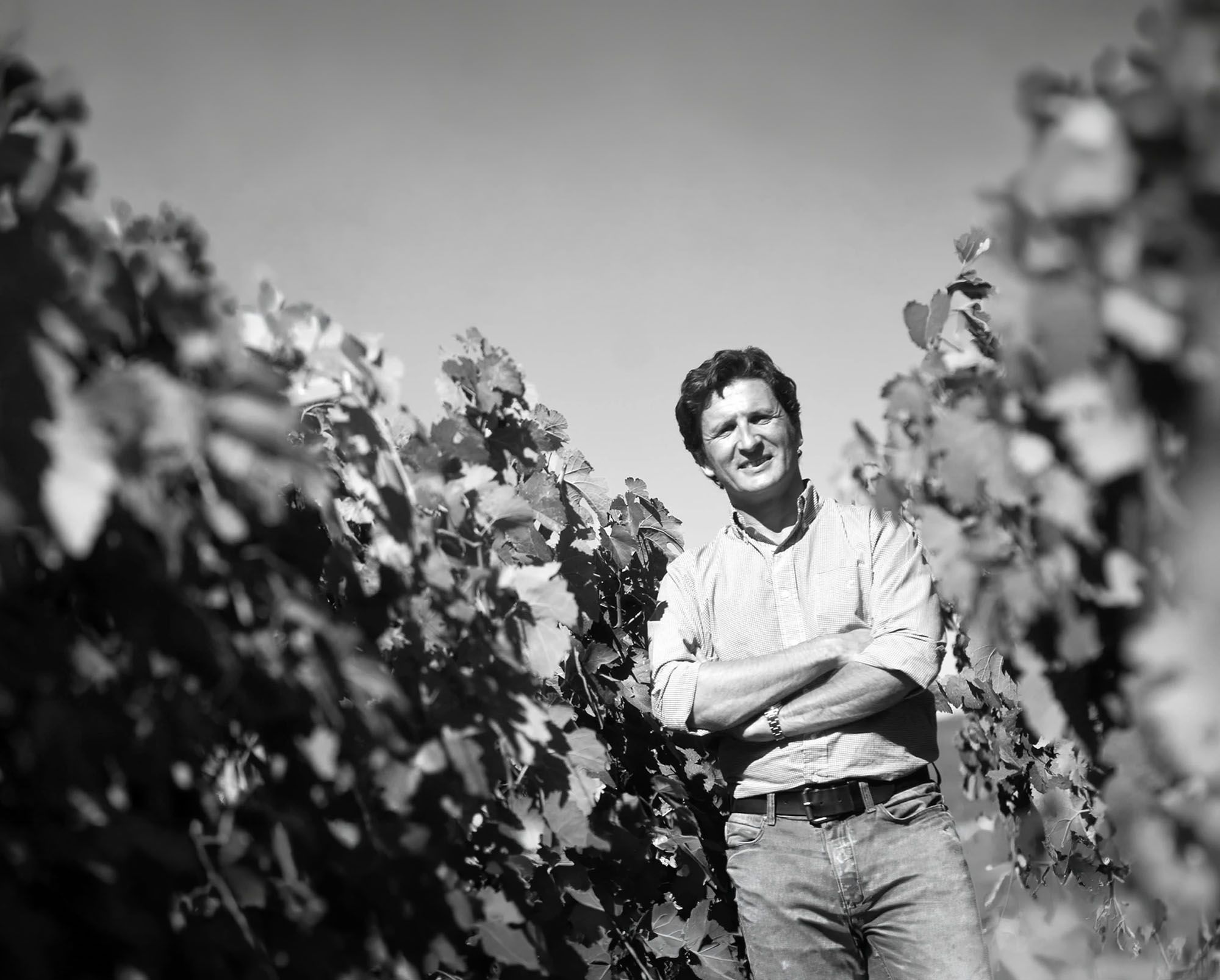
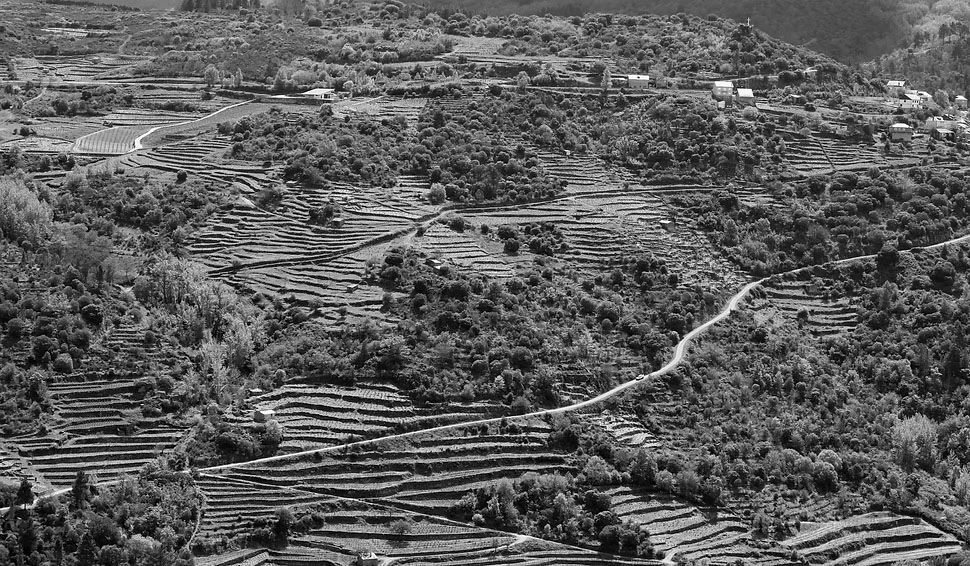
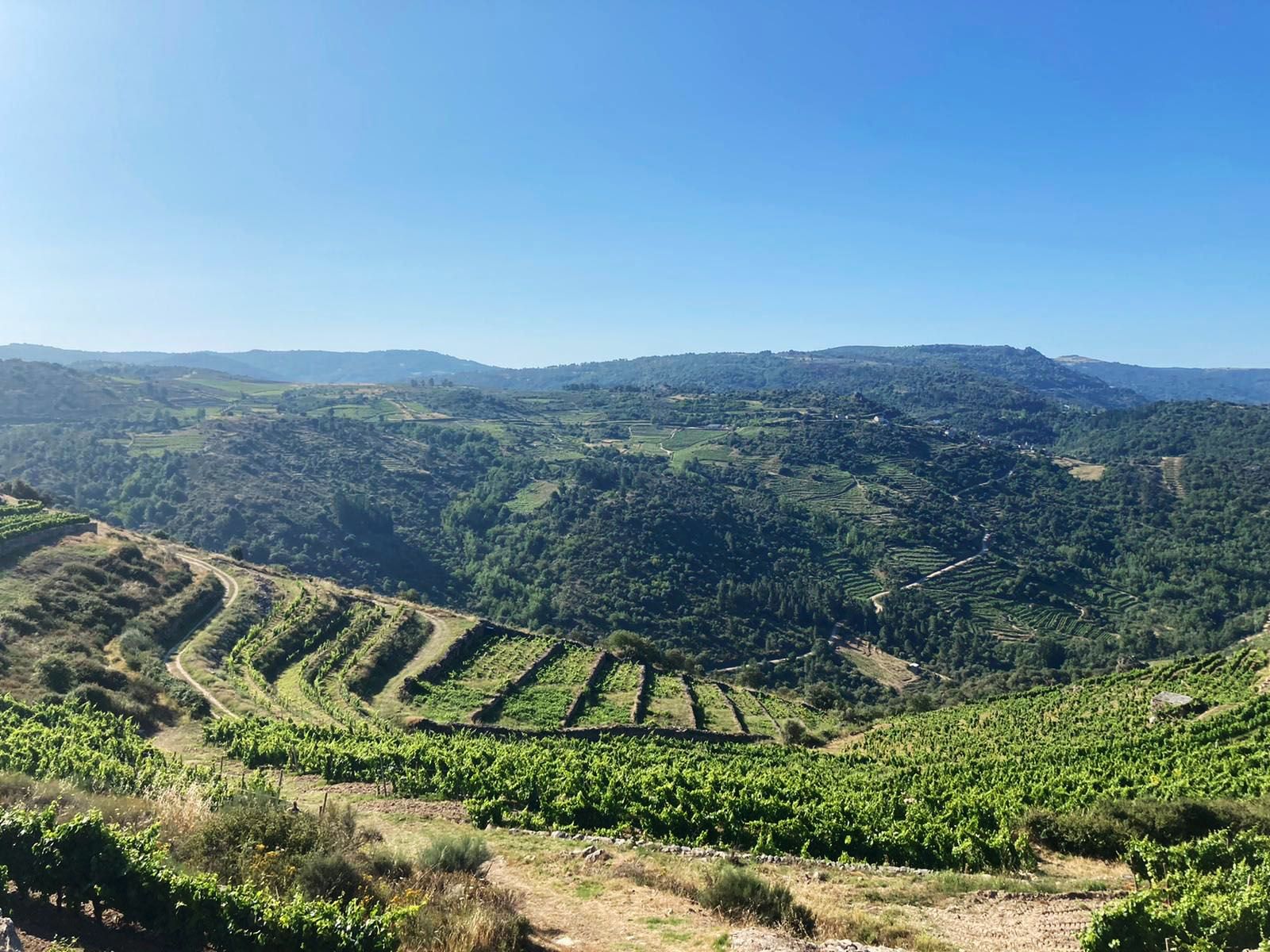
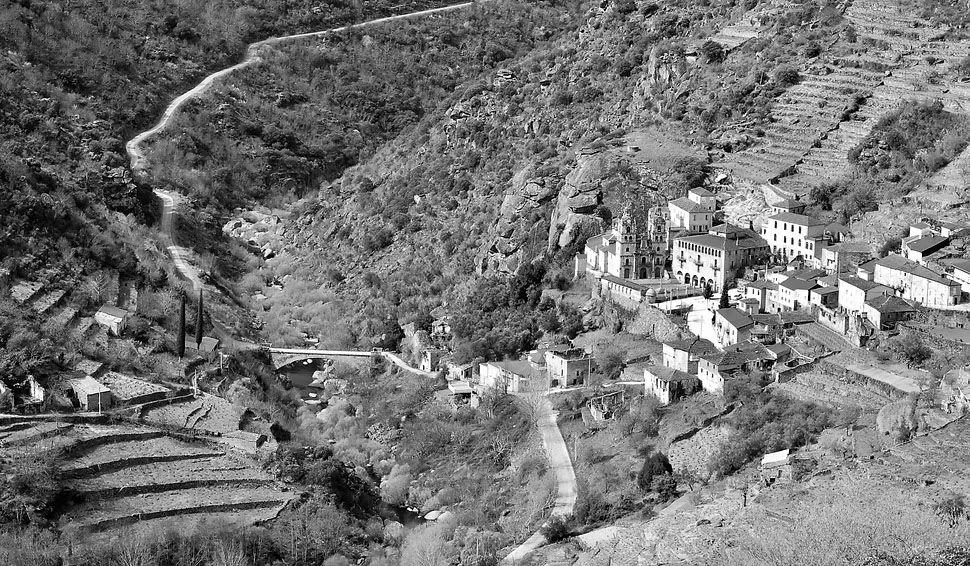
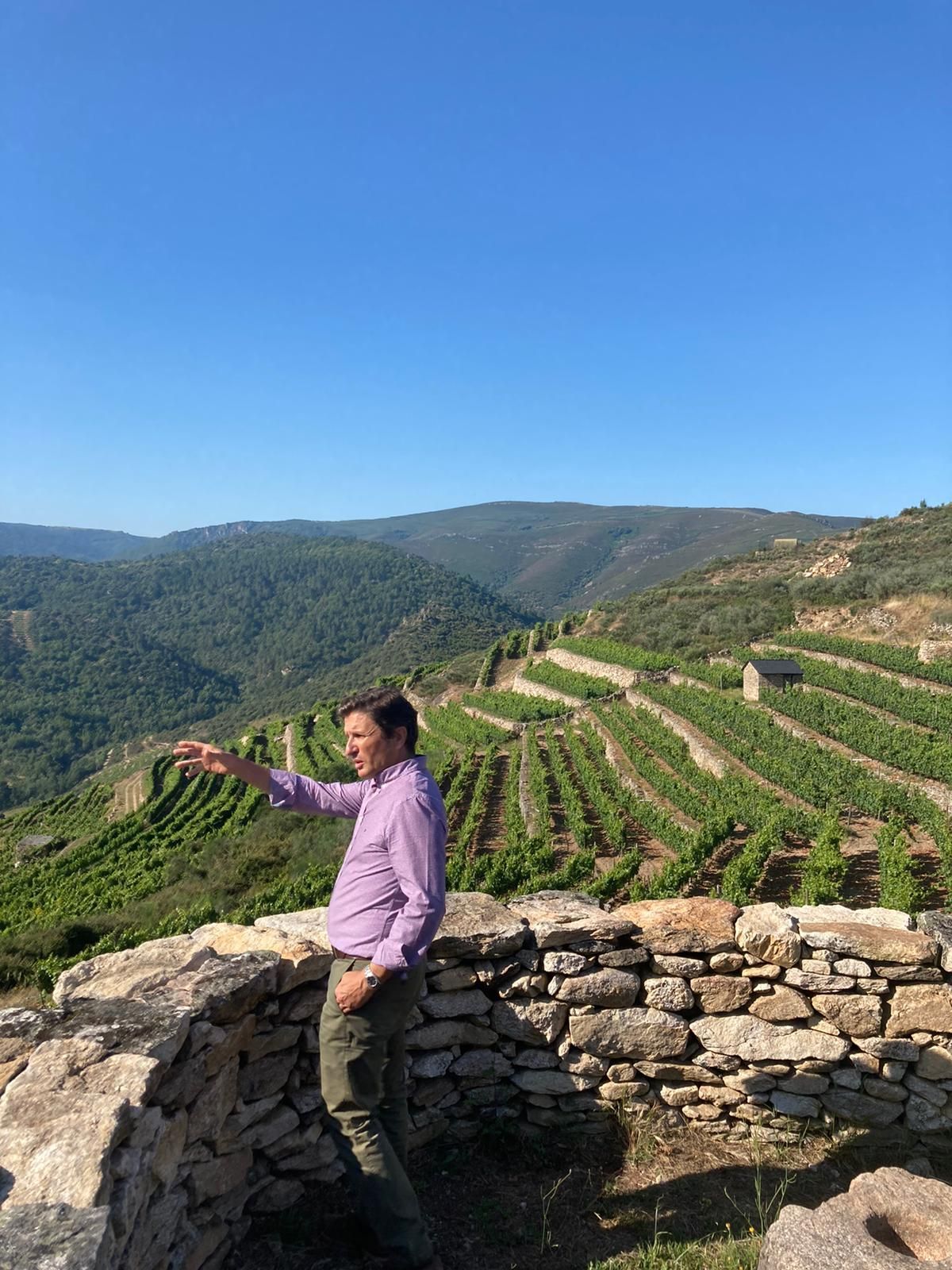
Without Rafael Palacios and producers like him, the small Galician region of Valdeorras would not be the epicentre of fine Spanish white winemaking that it is today. Here, vines coexist with the rocks and stones that define the dramatic landscape. Sandy soils, derived from decomposed granite, limit vine vigour, while the high elevations (620–740 metres above sea level) ensure marked diurnal variation and a long growing season. It is this combination of elements that makes Valdeorras such an ideal place to grow Godello, a variety that can easily become nondescript in the wrong location.
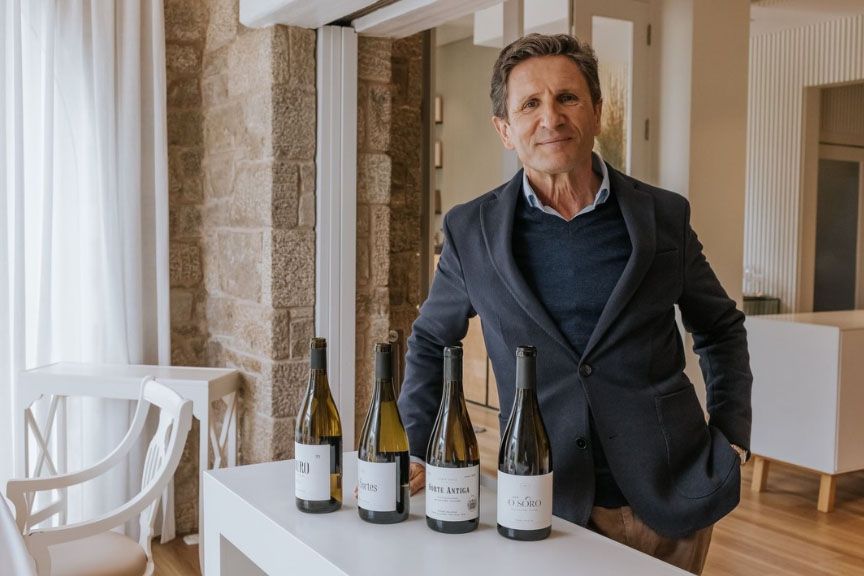
Rafael Palacios came to the region when it was still largely overlooked, recognising the potential of its wealth of old vines. Starting with just one vineyard, today, he works with 32 parcels of Godello, spread across roughly 60 hectares in the Val do Bibei. Though others have followed since, the wines of Rafael Palacios remain among the region’s finest, with Luis Gutiérrez of The Wine Advocate describing his single-vineyard ‘Sorte O Soro’ Godello as “amongst the best white wines ever produced in Spain.”
On June 4th 2026 Rafael was made a Caballero del Vino. The Gran Orden de Caballeros del Vino, founded in January 1984, was established to recognise exceptional endeavour in promoting the quality wines of Spain.
Here, we speak with Rafael about his journey in wine, including how he came to Valdeorras, why he chose to dedicate himself to white winemaking and how his vineyards shape his approach to winemaking.
For more information about purchasing Rafael Palacios' wines, please contact your Account Manager. Not yet a customer? Contact Us to discuss opening an account.
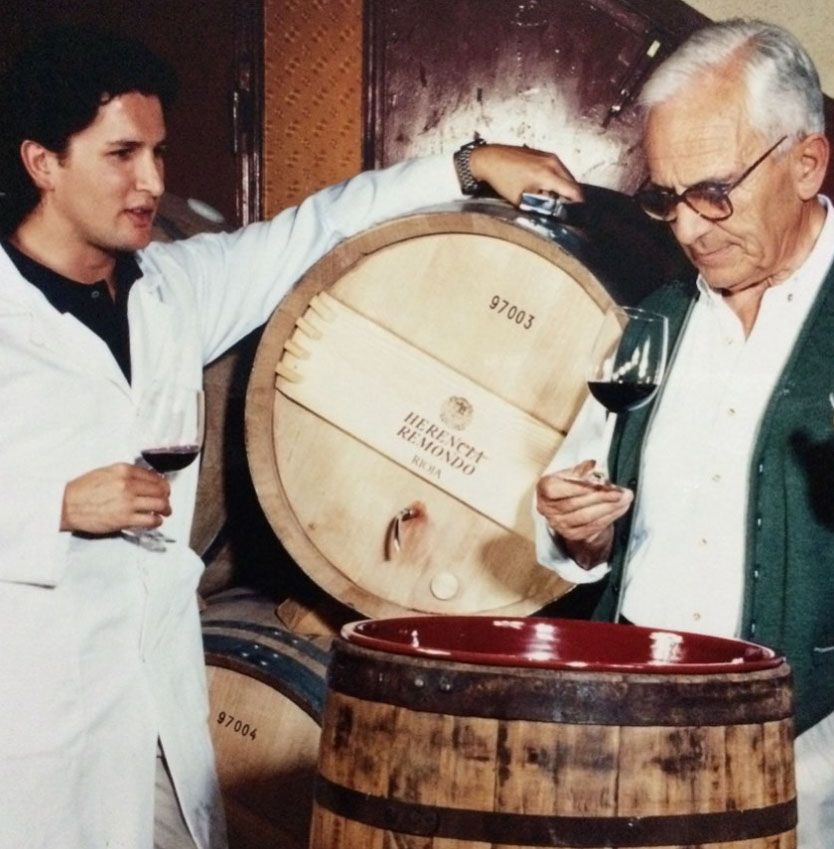
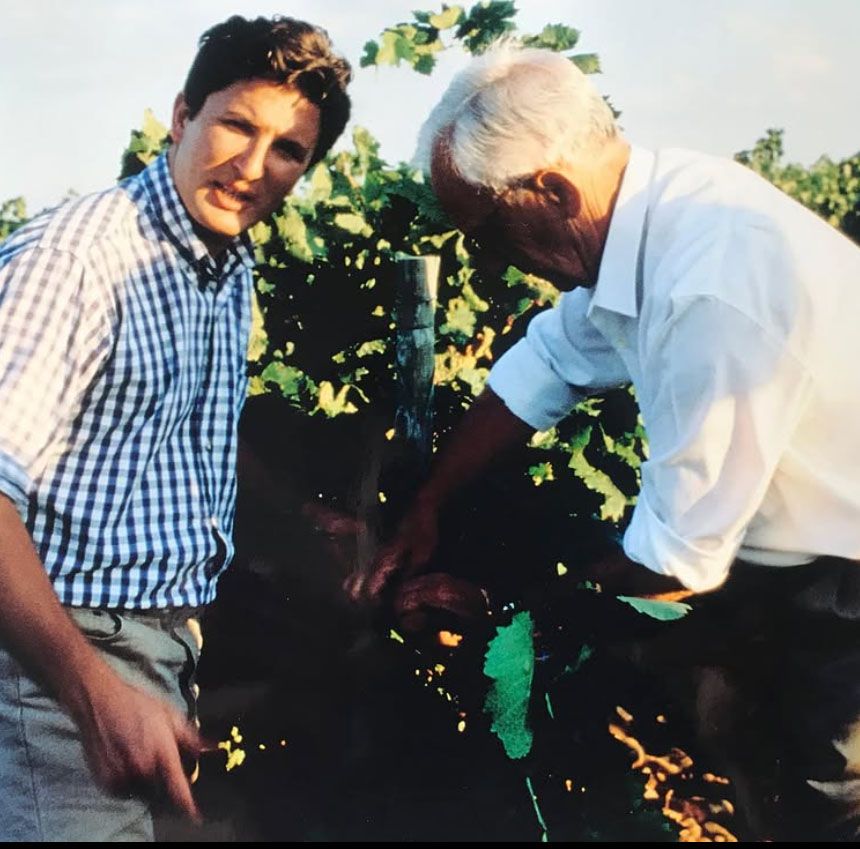
(M), (L) Rafael with his late father in the vineyards
You’re the youngest of nine children from a Rioja winemaking family. Did you always feel destined to work in wine?
Not exactly. When I was young, I was actually passionate about motorbikes, but we all grew up above the family winery, so wine was always part of daily life. During the summers, my father made us work in the winery. Not in an exploitative way, but we were always connected to it.
Still, until I was about 20 years old, I didn’t really know what I wanted to do professionally. My father and my brother Álvaro encouraged me towards wine, and eventually they sent me to Bordeaux to work for a large wine merchant. That changed everything for me.
At that time, Rioja was still very classical in its thinking, but in Bordeaux, I discovered another approach; one still rooted in tradition, but much more focused on terroir and origin. It was the first time I really understood the importance of place in wine.
I ended up staying for three years, studying oenology and working in estates around Saint-Émilion and Pomerol. Then I moved to Australia for a year and worked for Southcorp with Penfolds and Lindemans.
Australia completely opened my mind. I came from the rigid traditions of Rioja, then experienced the deep historical understanding of France, and finally arrived somewhere with no historical limitations at all, just openness and experimentation.
That combination shaped me.
What was it about white wine specifically that appealed to you?
I always loved the technical side of winemaking, and eventually that led me toward white wines.
White wine is much more delicate than red wine. With reds, you can often rely on extraction and structure, but with whites, you work much more directly with the fruit and with precision, which fascinated me. I joined the family winery in Rioja in 1994 and stayed for ten years. We created some very successful white wines there, but for me, it still wasn’t enough. I wanted something more special.
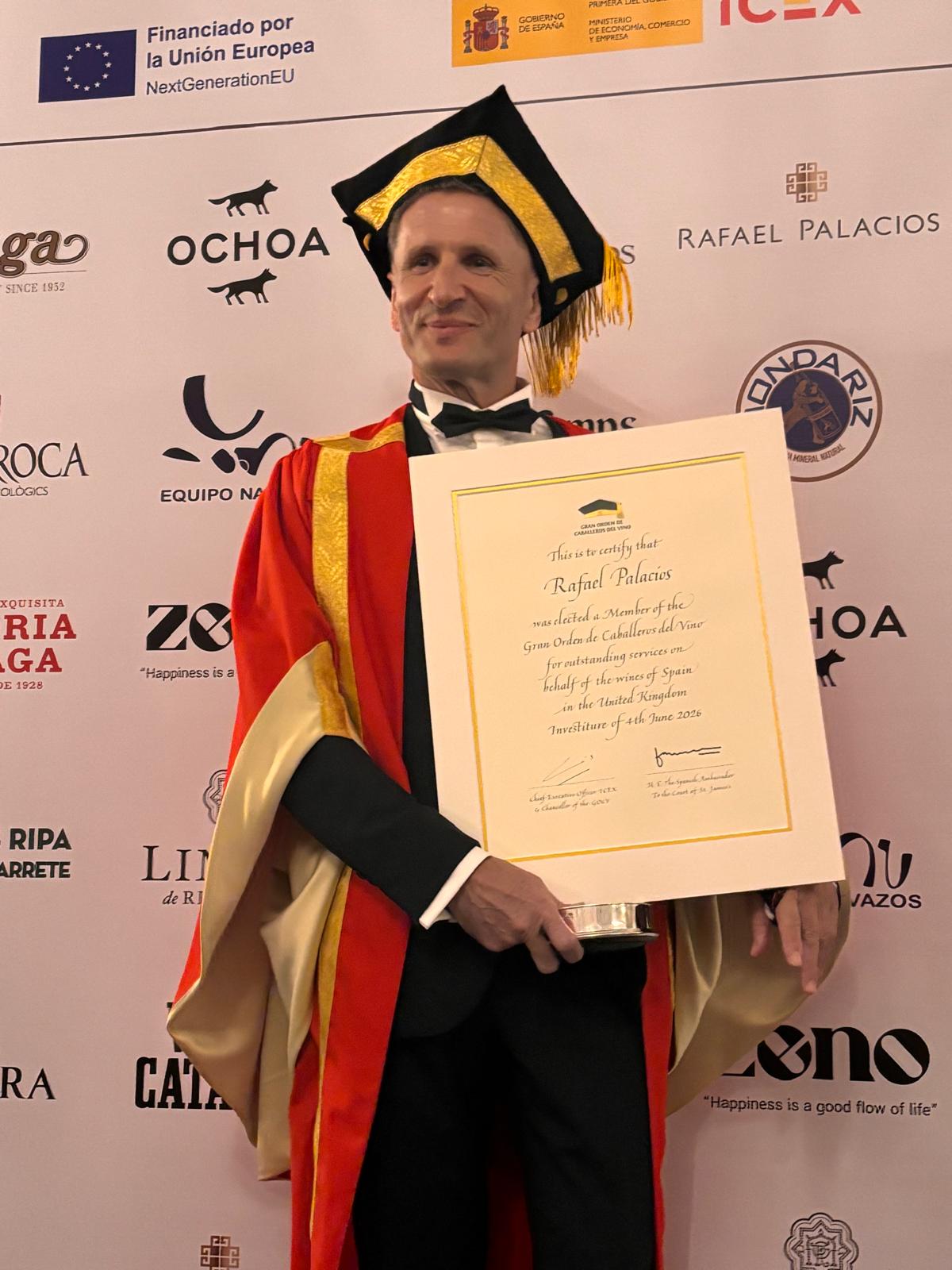
(M) Rafael being made a Caballero del Vino in June 2026
So, what drew you specifically to Galicia and Valdeorras?
The first discovery was Godello. I tasted Godello for the first time around 1996, and it completely captivated me. It had the freshness and elegance of Galicia, but also much more depth and gastronomic character. I sometimes say, carefully, that Godello can be like the Spanish Chardonnay because it has texture, volume, and the ability to express place well.
But what Galicia also has, especially for white wines, is emotion, and that comes from two things: the Atlantic influence and the soils. The mineral soils in Galicia are extraordinary: granite, slate and incredible diversity. For white wine, I think it’s one of the most exciting places in Spain.
I officially started my project in Valdeorras in 2004, and the turning point came when I bought my first vineyard in June of that year. I still remember crying when I acquired it because it was more than buying land. It felt like discovering the place where I could make truly great wine. From the beginning, I believed that the vineyards in Valdeorras could produce something extraordinary.
It wasn’t easy, though, because a lot of these vineyards had suffered from years of chemical treatments, herbicides, and industrial farming, so recovering them took a long time. After about ten years of work, we finally began producing wines at the level I had dreamed about, and in 2011, we bottled our first single-vineyard wine, Sorte O Soro. Nine years later, those single-vineyard wines had become recognised among the very top white wines in Spain.
How did you go about finding more vineyards?
Through a lot of hard work and persistence! I spent years knocking on doors in the region and speaking with growers. Galicia has a very strong local culture, and at first, people didn’t trust me, because I was young, from outside the region, and very impatient by nature. The first years were emotionally very difficult because I wanted clear answers immediately, but things in Galicia move slowly. Trust takes time.
Eventually, once people understood I was serious and committed, things became easier, and today, we work with around 60 hectares in total, about thirty-eight of which we own directly.
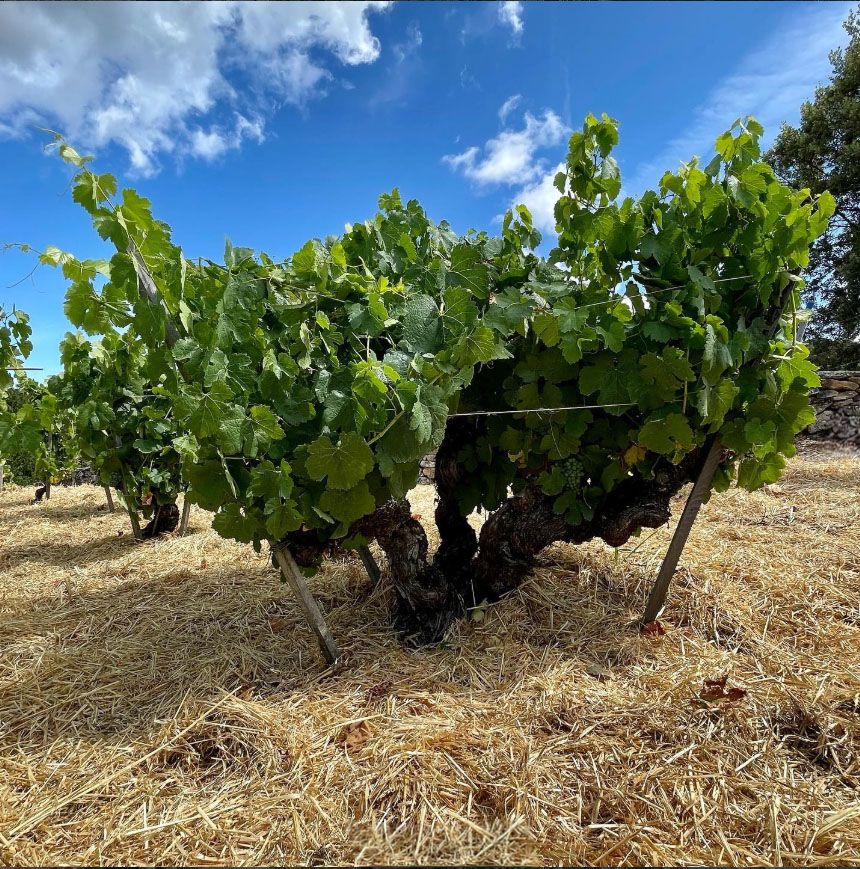
Old vines seem incredibly important in your work. Why is that?
Old vines are important for two reasons. The first is adaptation: old vines understand how to survive extreme conditions. Young vines react too strongly to the climate each year, but old vines remain balanced. This is especially important in our granite soils, which drain very quickly and retain little water. Summers here are hot and dry, despite Galicia’s reputation for being wet and rainy. Old vines cope much better with drought, rainfall, and climatic stress.
Secondly, I find that old vines express their terroir more clearly. Young vines give energy and fruit, but old vines give depth and identity.
It’s almost like people. Young vines have energy, but old vines have wisdom
Exactly!
How do you approach vineyard management across these different parcels?
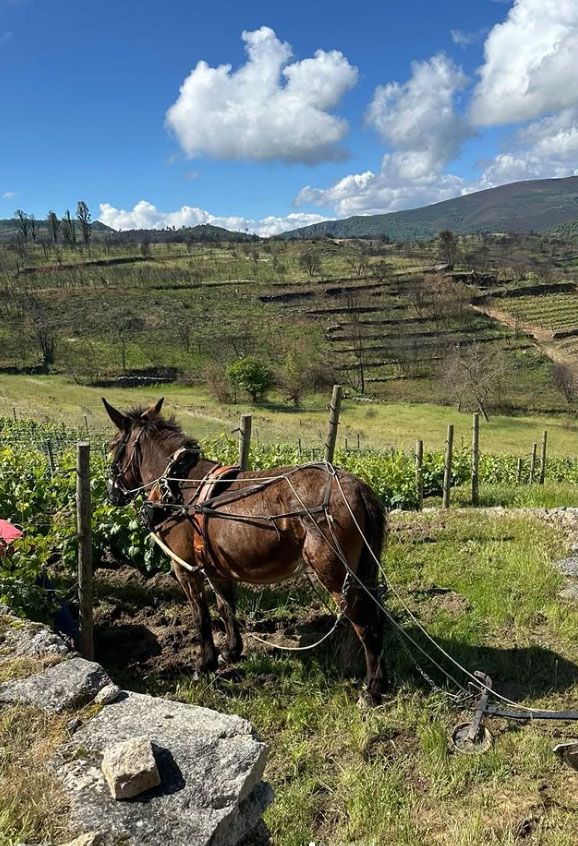
Every parcel is different with different soils, orientations, planting densities, altitudes…nothing is uniform. That’s why we work parcel by parcel, always trying to respect each vineyard’s identity.
We have around fifteen permanent vineyard workers, led by our technical director Pablo Blanco Vilachá. He understands both viticulture and winemaking, which is very rare. Most of our work happens in the vineyard, which is a break from tradition as Spanish wine has traditionally focused too much on technical winemaking in the cellar. For me, the real work is outside, and in the winery, our job is simply not to lose what the vineyard gives us.
Your wines are incredibly site-specific. Could you explain the difference between the single-vineyard wines, O Soro and Sorte Antiga?
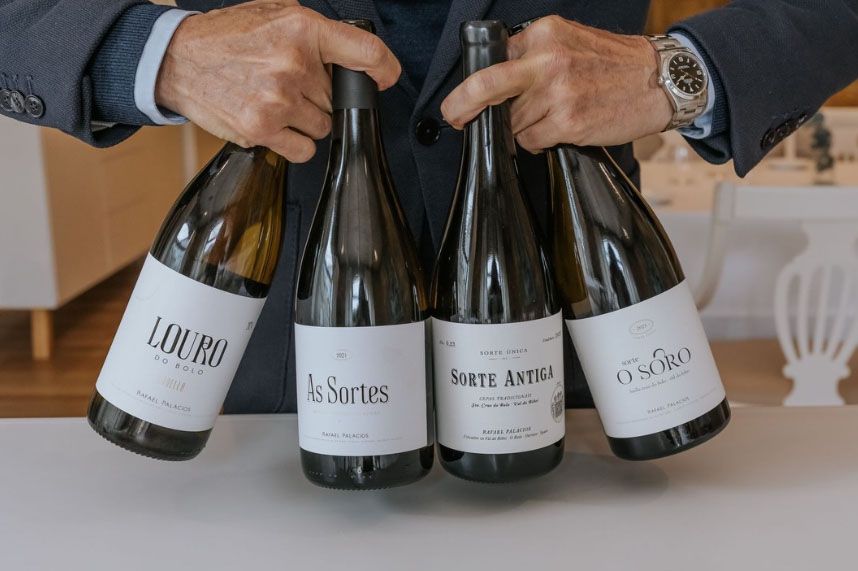
O’Soro has always been about intuition. The first time I visited that vineyard, I immediately felt it could produce a great wine. The grapes have extraordinary tension and a richness combined with salinity, freshness, and crystalline acidity.
Sorte Antiga was different. That wine came from a sense of responsibility, because when I purchased it, I discovered documents showing it had been planted in 1920. And in Galicia, vineyards that old are extremely rare. The vines had incredible texture in the skins, which was something I had never experienced before. The tannins were ripe but incredibly fine, and that discovery eventually led us to experiment with skin-contact winemaking. Watching those beautiful skins being discarded after pressing felt heartbreaking to me. Today, Sorte Antiga has become one of the most exciting skin-contact white wines we make.
How have you seen Valdeorras change since you arrived there?
Many people now come to Valdeorras because of the success of Godello. But too often they come to make “factory wines”, large-scale commercial wines, rather than trying to truly understand the place. I wish more producers would come with the goal of exploring vineyards and terroir rather than simply capitalising on the popularity of Godello. Today, people talk about Godello, which is amazing, but not enough about Valdeorras itself and what makes it such a special region.
Have you ever been tempted to work with other grape varieties in Valdeorras?
I experimented a little with Palomino, because historically, there was quite a lot of it planted in the area. I had some old Palomino vines in one parcel and tried making wine from them, but I realised the conditions weren’t right. Palomino needs stress. It works well in places like Jerez because the climate is drier and harsher, but in Galicia, there is simply too much richness in the soil and humidity in the growing season.
Godello, on the other hand, belongs here, though it is also a difficult grape in its own way. In the wrong place, or handled badly, it can produce very boring wines. In the right place, like Valdeorras, it can be extraordinary.
We have the 2023 wines currently and have previewed the 2024. Both are fantastic vintages. How do you think they compare?
2023 and 2024 are both very different. I think that 2024 is quite an elegant vintage. We had some important rainfall about three weeks before harvest, which helped the vines recover after a very hot summer. The wines are fresh, refined, and full of energy, with excellent acidity and ageing potential. 2023 is more concentrated and powerful. In some ways, it resembles a classic red wine vintage as the wines are richer, rounder and more intense. It is important to me, that customers receive the wines when they are truly ready to drink. This is why we release our single-vineyard wines with at least 18 months of bottle age.
For more information about purchasing Rafael Palacios' wines, please contact your Account Manager. Not yet a customer? Contact Us to discuss opening an account.