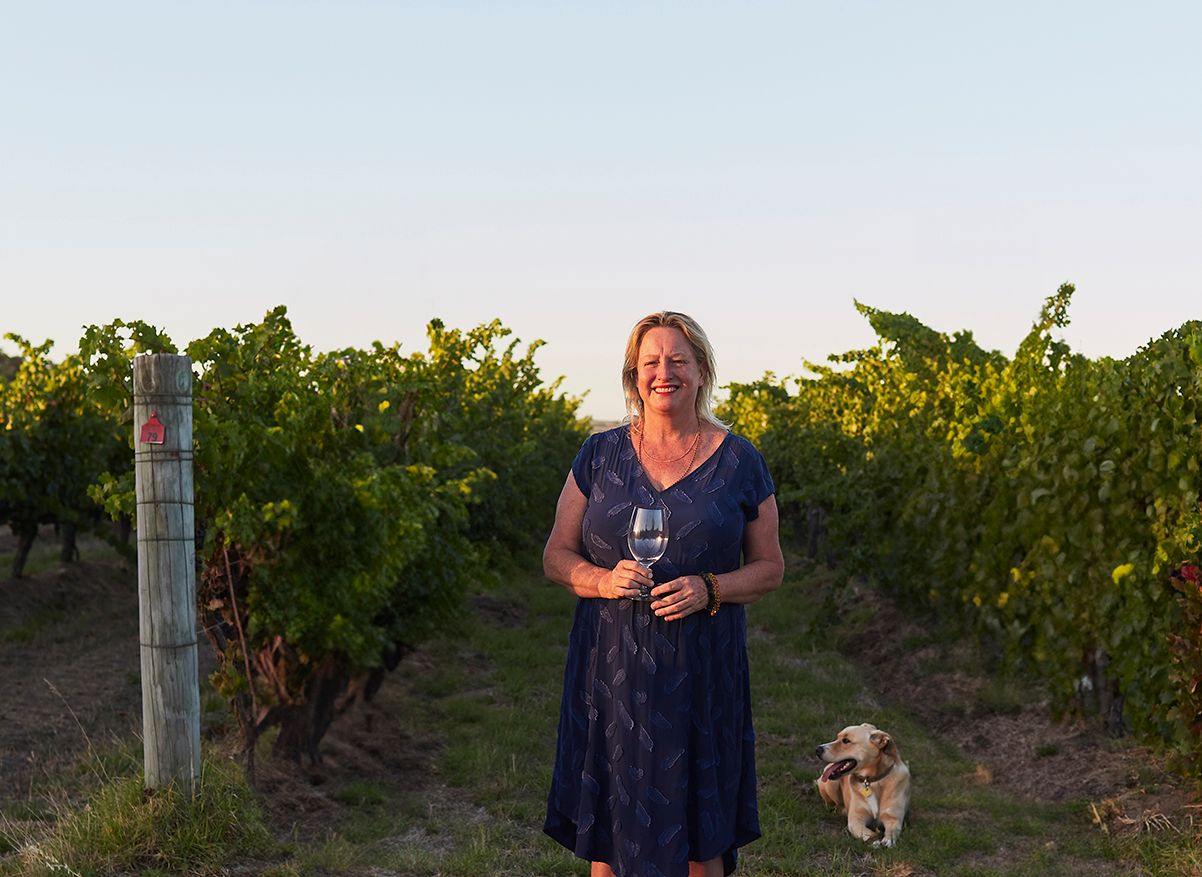
Vanya Cullen is the undisputed queen of Biodynamics, not just in Australia but within the global wine trade as a whole. After converting her family's Wilyabrup vineyards in the early 2000s, she has lead the charge in Biodynamic and sustainable farming in a way that feeds into every aspect of the Cullen business. With the likes of Jeffrey Grosset and Stephanie Toole citing her as inspiring their own conversions in the Clare Valley, we would be remiss not to ask her about this farming practice when she came to London in September this year.
Yet Biodynamics isn't the whole story of Cullen. As one of the first families to plant grapes and make wine in the Margaret River, their history is synonymous with that of this Western Australian wine region. There was a lot to discuss and we are thrilled to share our conversation with Vanya, centred on themes of heritage and respect for the land, while celebrating the Margaret River's nuanced sub regions.
For more information about purchasing the wines of Cullen, please contact your Account Manager. Not yet a customer? Contact Us to discuss opening an account.
Could you talk us through the history of Cullen in relation to the Margaret River?
Mum and Dad had an agronomist friend called Dr John Gladstones, who visited them in 1965 when they planned to plant Lupins on their property. He’d been researching the great wine regions of the world, comparing them with potential sites in Western Australia, and identified the Margaret River as a prime place to plant grapes.
So that sowed the seed for Dad, and he called the first grape grower meeting in Busselton in 1966. I sort of see John Gladstone as the founder of the Margaret River in many ways, as it was his research paper that started it all. The reason why we, and the likes of Bill Pannell for example, planted in Wilyabrup is because Bill said it would be a sweet spot. We planted the Cullen vineyard in 1971, and at the time we could only get Cabernet Sauvignon and Riesling cuttings. Everything planted on its own roots and dry farmed. Then in 1976, we got the other varieties: Malbec, Merlot, Chardonnay, Sémillon and Cabernet Franc.
Mum and Dad were great environmentalists. They and their friends had the first environmental bill passed by Parliament in West Australia, as the coastline was being damaged by mining. Getting that stopped helped preserve the natural beauty of the Margaret River region, as mining was no longer allowed half a mile in or offshore. It was really significant. That was what Mum and Dad were like, they’d always work hard and fight for good causes. They were very much people that spent their whole lives doing things to make the world a better place.
Back then, no one really knew anything about making wine in the Margaret River, other than that John had recommended it as an area for grape growing. Yet even then Margaret River producers started to win awards for their Cabernet Sauvignon. We still have a few bottles of our 1977 Cabernet, and it tastes really good. It’s still really fresh, which shows the provenance of the land, not our skill in winemaking. So, they sort of learnt bits and pieces. They travelled to Europe, and they had people from East Australia come over and help. They were really pioneers, figuring out the best way to make quality wine. From the start, Mum and Dad always tried to do so sustainably so there have always been minimal chemical inputs.
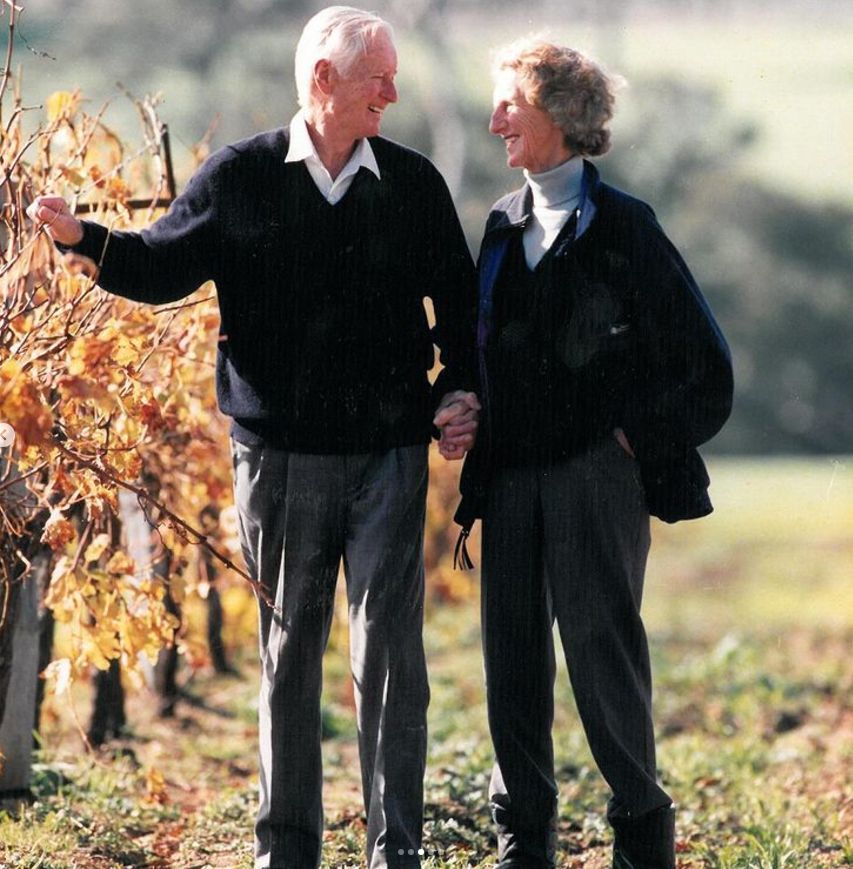
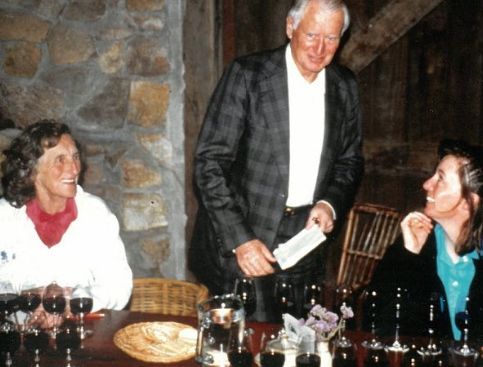
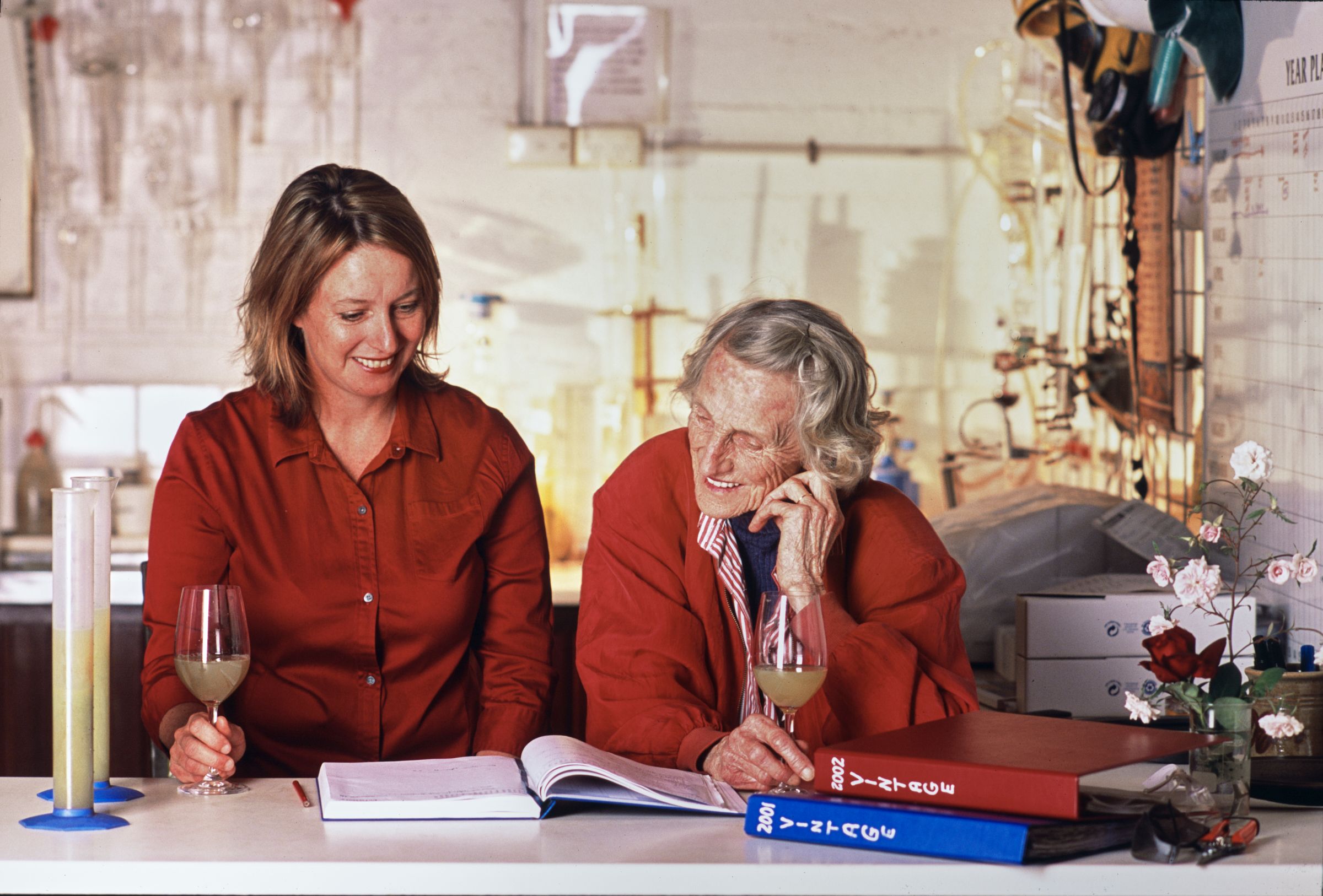
(L), Vanya's parents, Dr Kevin John Cullen and Diana Cullen (C) Vanya with her parents (R) Vanya with her mother in the Cullen winery
What was it like in those early days?
Mum always said that everybody helped each other and that everyone wanted to learn. It was very exciting. I remember when we sold our first three case order to Melbourne and when we got the fax machine in the barrel hall, seeing a fax come through from London with an order! I guess especially being such a rural area back then, that was a really novel thing.
It was a poor area too, because the soils hadn’t historically lent themselves to anything other than dairy. The English governments allocated land to the soldiers from the First World War, who took it, as Australia was advertised as being the land of milk and honey. But it wasn't. They all came out, not knowing much about agriculture and they all basically walked off the land during the depression because they couldn't make any money. It was still a little bit like that when we arrived.
I think the wine industry has completely turned the economy of the Margaret River around because our agriculturally poor land is great for premium grape growing. Vines like to struggle, and that Mediterranean maritime climate has a great influence. We are only five kilometres from the ocean.
What inspired you to also pursue winemaking and farming?
I've always had a great love of nature. I still do. The natural world and music define who I am. I did a Zoology degree, and I was off to Adelaide with my boyfriend to study music when dad said, “darling I booked you onto the wine course”. I remember being really annoyed because he was interfering in my life, but that’s how I ended up studying winemaking and music together.
Those are two things that really go hand in hand. You know we sometimes talk about wine as like a ‘song in a glass’, and with biodynamics it’s all about the vibrations of the land. Music and wine: it’s a given.
I began working in the winery full time in 1983, took over as senior winemaker from Mum in 1989 and became managing director in 1999. Mum passed away in 2003, so I’ve had nearly 22 years now managing the family business. Sustainability has always been very important to us. Mum used to say, “quality not quantity” and we continued to build on that, becoming biodynamic certified in 2004 and carbon neutral in 2006.
What made you decide to adopt biodynamics, and could you explain how this method works?
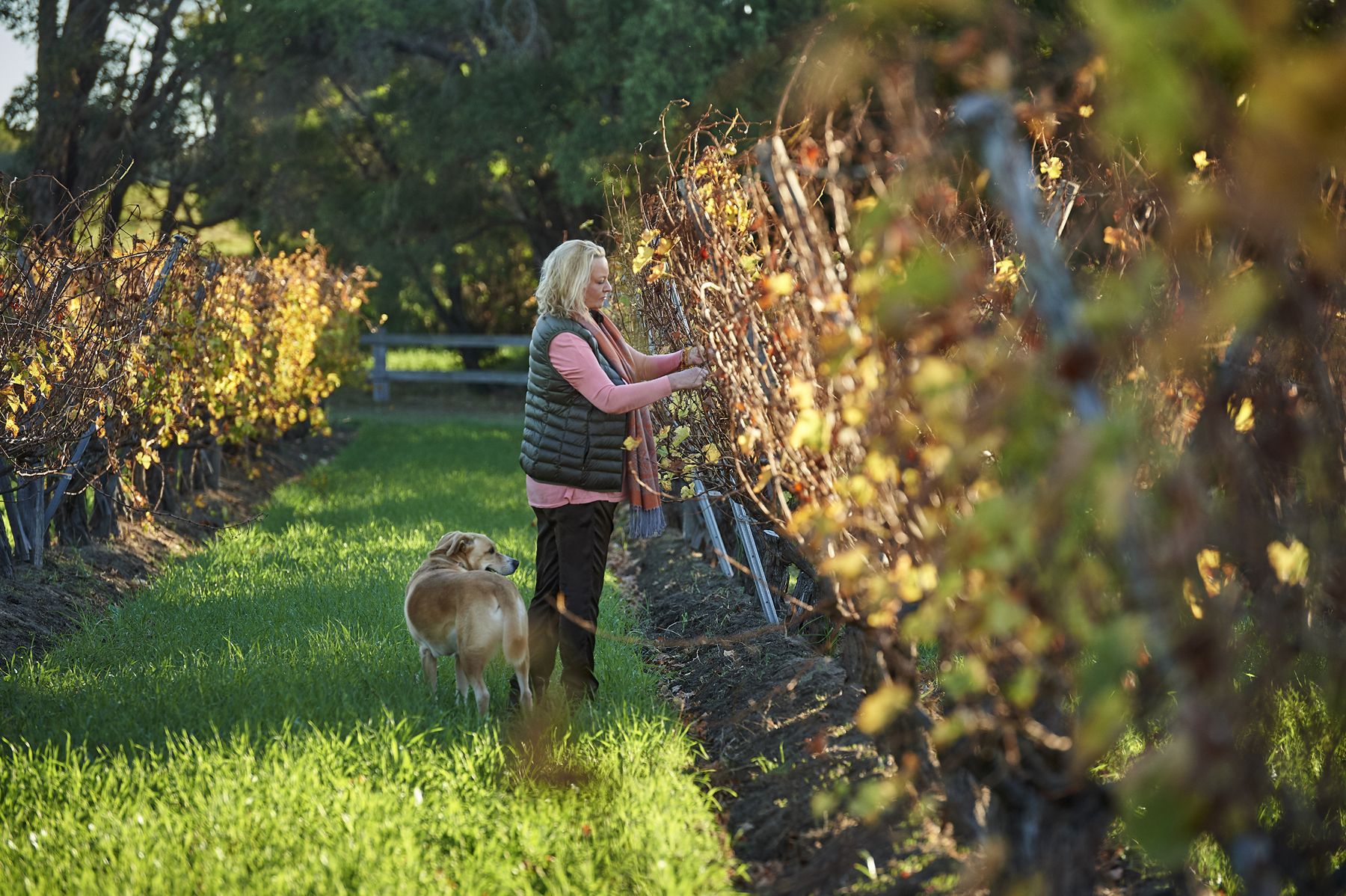
When we first became certified in 2004, there was a lot of hostility from people towards biodynamics. They were very dubious and distrusting of it. We took out the use of synthetic chemicals, not that we were using a lot, and started planting cover crops and increasing the vineyard biodiversity. Our vineyard manager had been to a biodynamic forum and was explaining about it to me. Mum had just passed away and it just felt right to start trialling it to continue her environmental legacy. We trialled it with the Chardonnay, using preparations 500 and 501 and the fruit quality was so much better. So, we thought we’d just apply it to everything.
The most commonly asked question we get, is what the difference is between organic and biodynamic. The difference in our certification is in the use of 500 and 501 preparations to aid soil fertilisation and health. 500 is the most common. It involves put cow manure into a cow horn and burying it under the ground during the winter solstice, to be exhumed on the summer solstice. And that’s basically microbiology, which is really what drive biodynamics.
Cows have four stomachs. My brothers are gastroenterologists and say that the human stomach has billions of microflora in it. So, imagine how much a cow has between its four – it’s essentially supercharged! You put this into a cow horn, rather than a bull horn, because it has more calcium and magnesium in it. Ideally, we’d also use the manure from a lactating cow for the same reason. Combining this together in the ground creates amazing compost. We now know that a healthy gut biome also means you’ll have a healthy brain. Well, it’s the same with the land. We put preparation 500 on our vineyards at a rate of 85 grammes per hectare, which is basically putting billions of microflora onto the land.
This is where the other part of biodynamic comes into play, as you have to make sure you are working at a time of planetary strength. The best moment to do this is a time called ‘moon opposite Saturn’, where you have earth in the middle and the moon on one side and Saturn on the other. The moon’s presence enhances calcium and fertility, while Saturn brings minerality and structure. You put the preparations on in the evening during this period, after you’ve dynamized it in flow form.
What we noticed when we first did this in 2003, was that before we’d had problems growing our cover crops. The biodynamic preparations dramatically helped with this. We’d done soil analysis of the site, so we knew we had all the nutrients in there, but for whatever reason they just weren’t available to the plants. Enhancing the soils microbiology through biodynamic preparations allowed the cover crops to access these nutrients. When you have healthy soil, you have healthy vines and healthy grapes.
501, which we also use, is made with ground down quartz silica. We get the quartz rocks from our property and physically grind them to a pulp. We then pack that into cow horns and bury in the ground on the summer solstice. They are then brought out in the winter solstice and similarly dynamized in water and sprayed at a rate of two grammes per hectare. This atmospheric spray is applied in the morning, when the earth is breathing out. Those two preparations, 500 and 501, define biodynamics for us.
The other beautiful part of it, are preparations 502 to 508 which are the plant preparations. They go into a cow pat pit, or barrel compost, which is cow manure, eggshells and basalt, mixed with preparations: yarrow (502), camomile (503), nettle (504), oak bark (505) dandelion (506) and valerian (507). This creates a tonic for the land and the vines as well.
There are also different calendars that people use, but we use Maria Thun’s, who was a German horticulturist. She did 30 years of research looking at the influence of planets on plant growth, which relates to the fruit days, flower days, root days and the 24 constellations around the moon. The moon has a lot of influence.
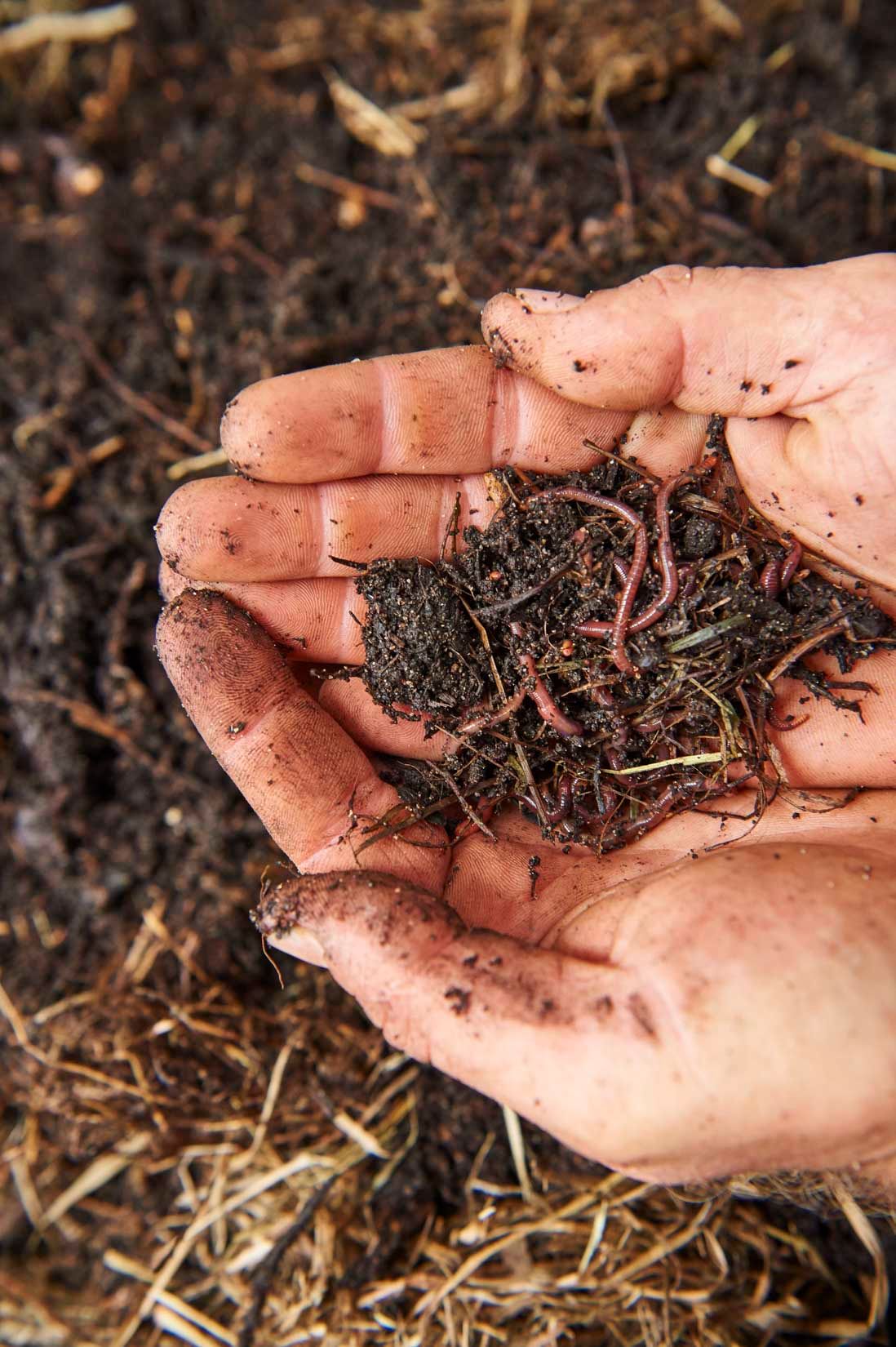
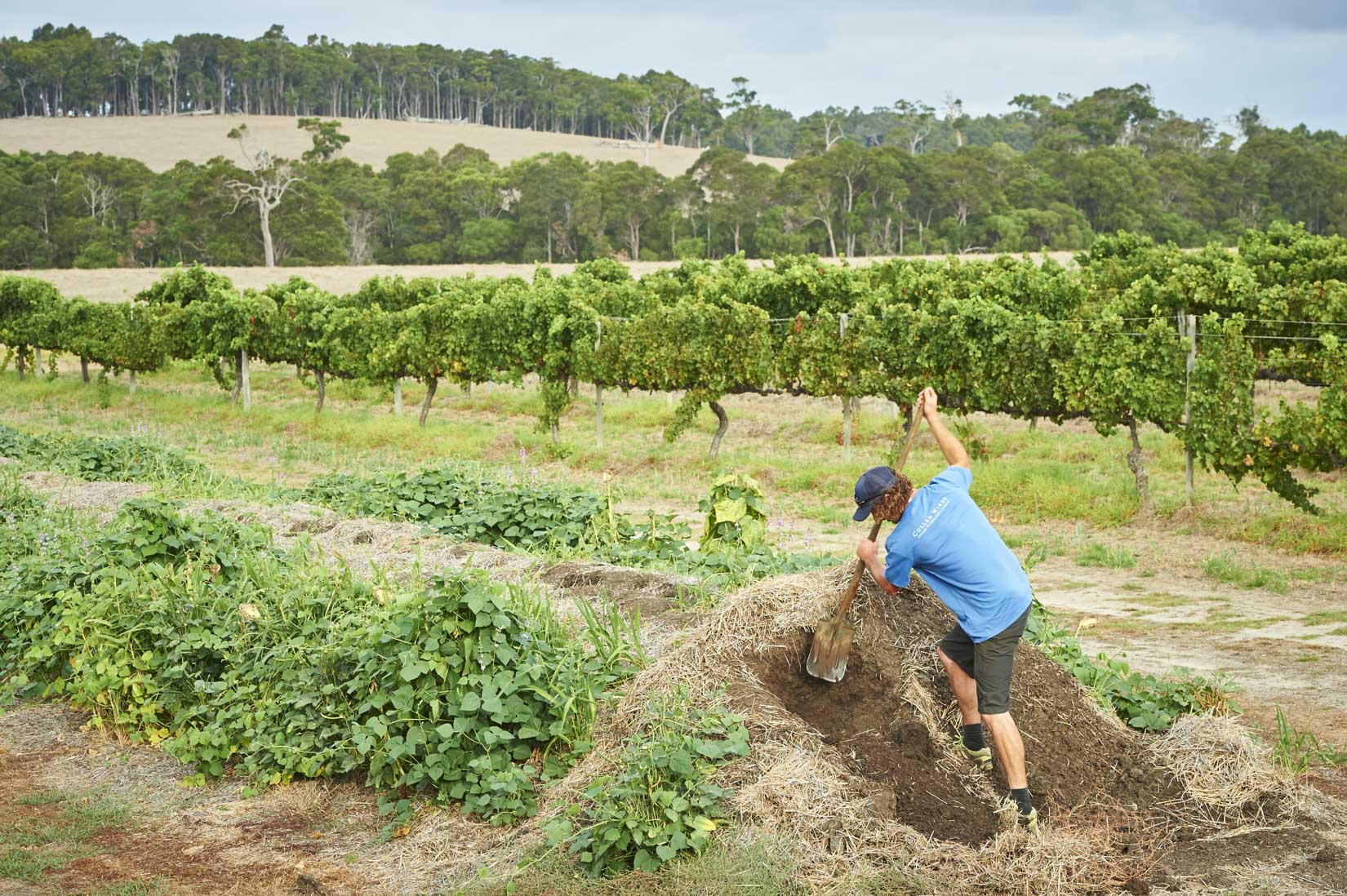
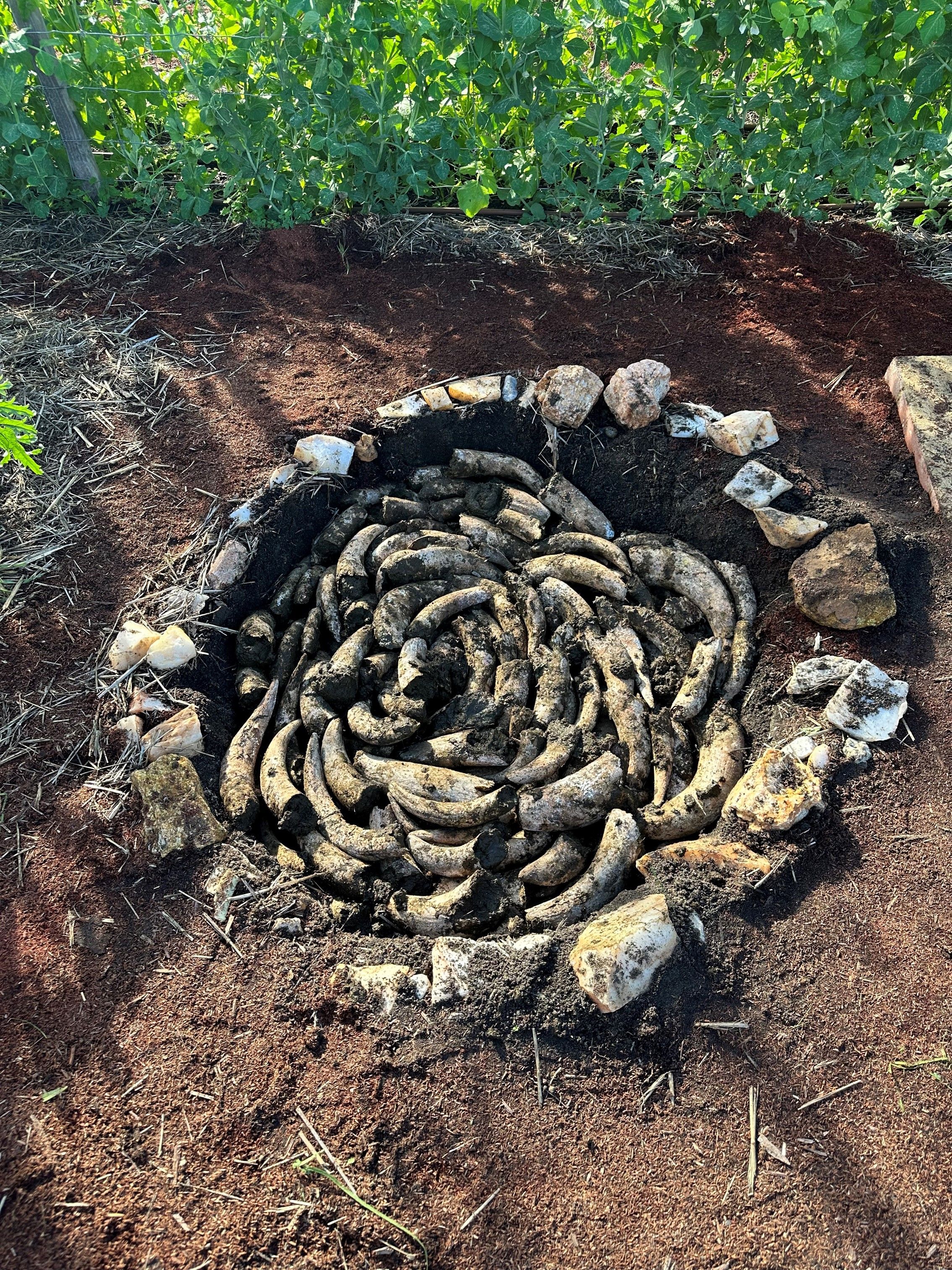
(C) The compost fit with preparations 502 to 507 , (L) Buried cow horns with quartz silica or cow manure
Talking about the moon seems to be one of the easier ways of explaining biodynamics to those who are more sceptical. The scientific proof that shows how the moon influences the ocean, creating tides, can be applied to the planet.
Even humans, we are about 60% water – if the moon can have that influence on the ocean, surely it influences anything else that’s water based. So, it makes sense to account for the moon in agricultural practices.
That’s the thing about scientific proof. There are a lot of things in biodynamics where we can prove it scientifically. However, there are also parts in between where you just have to accept that you don’t know or can’t explain it. Being able to accept when you can’t explain, but just knowing that it is, that’s a very humbling part of biodynamics.
You have to trust the process and realise you don’t have all the answers. We’ve made a big project based on doing artisanal individual batch harvest on various moon days, which is so much fun. You end up with those picked on a flower day or ‘moon opposite Saturn’, or on a full moon, for example, and you then taste them on different days. Tasting on its corresponding day, it really does respond! Biodynamics is also a lot to do with observing. Observing those differences in the harvest and moon phases is as important as the preparations and creating healthy soils.
How does biodynamics feed into some of the other sustainability initiatives that you work with?
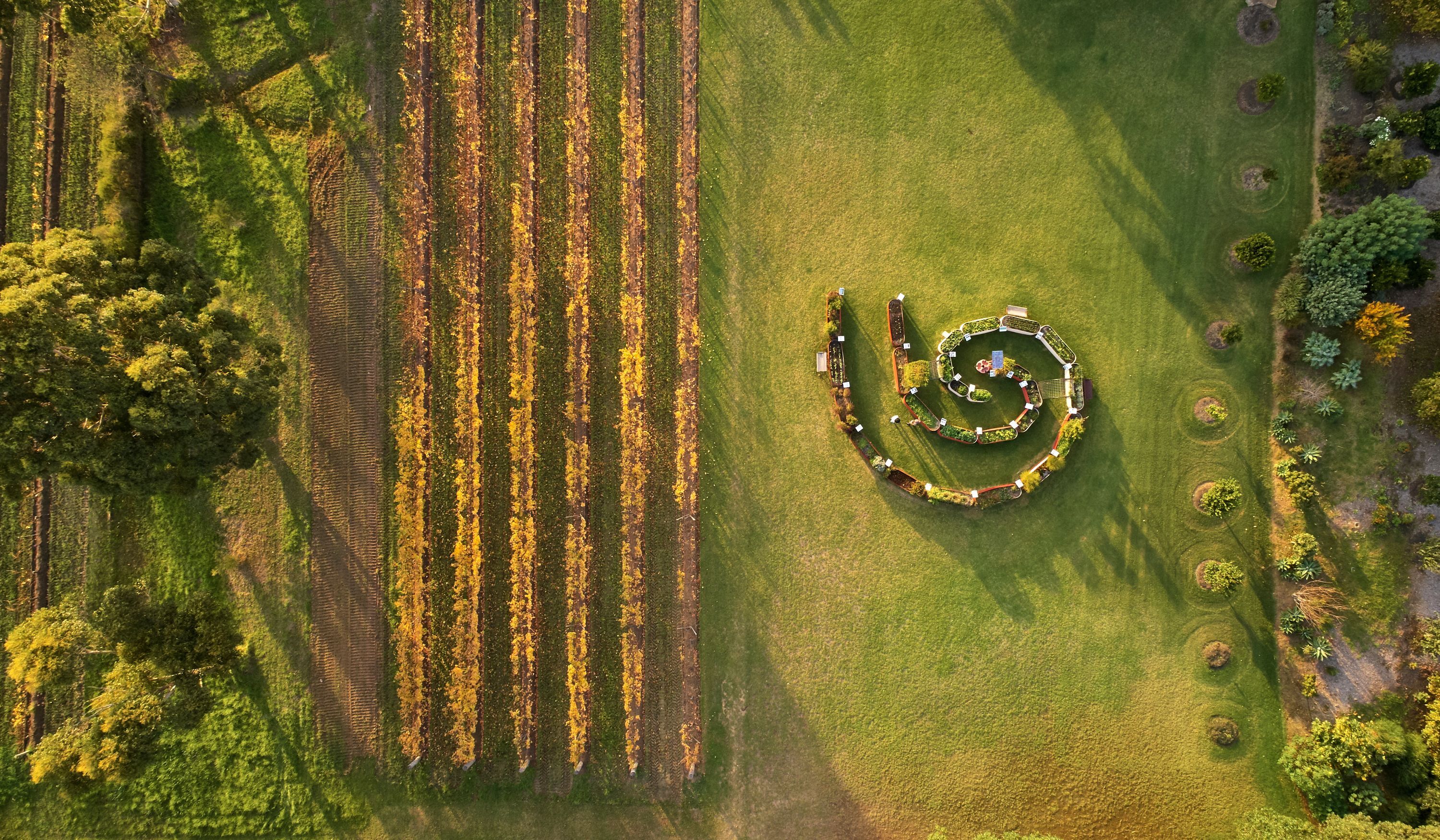
Making our own compost and working with 23 different species of cover crops ties into our carbon project, as these are all things that sequester carbon. From 2014 to 2019 we were actually carbon positive, so our vineyards were sequestering and holding more carbon than our whole business emitted. It was amazing.
Unfortunately, with the very dry conditions that came after 2019, that changed. We were still sequestering carbon, but we weren’t holding it and that brought in a whole new aspect to our learning about carbon. We spend a lot of money learning about this and being at the forefront of the research, because the government is not supportive at all.
I have to make the point, that I am embarrassed about Australia’s emissions. We emitted more carbon last year than we did the year before. It’s terrible. But you know, you just have to keep doing your bit and hope to hell that it helps. It all ties into climate change, which is also impacting the insect population. Now that it’s not as cold we are seeing an increase in insect breeding. This means that weevils are more of a problem. But I think we are in a good position to deal with all this with biodynamics. Our vines are strong and healthy, and we have natural ways of combatting pests. Conventional farms, for example, spray chemicals to deal with weevils and the weevils have become immune. They either need to change how they farm or put more toxic poisons on their land which is going to cause even greater issues.
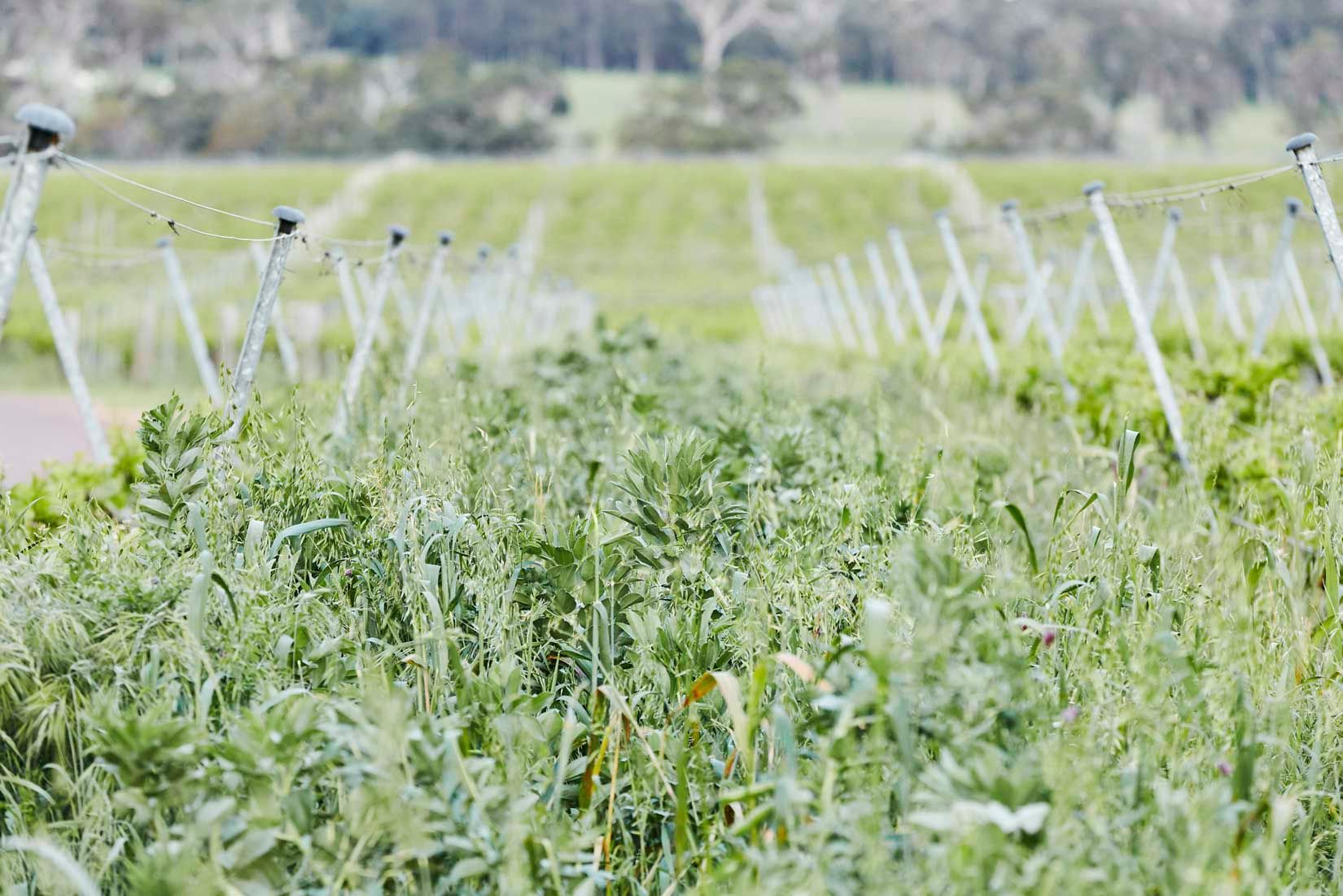
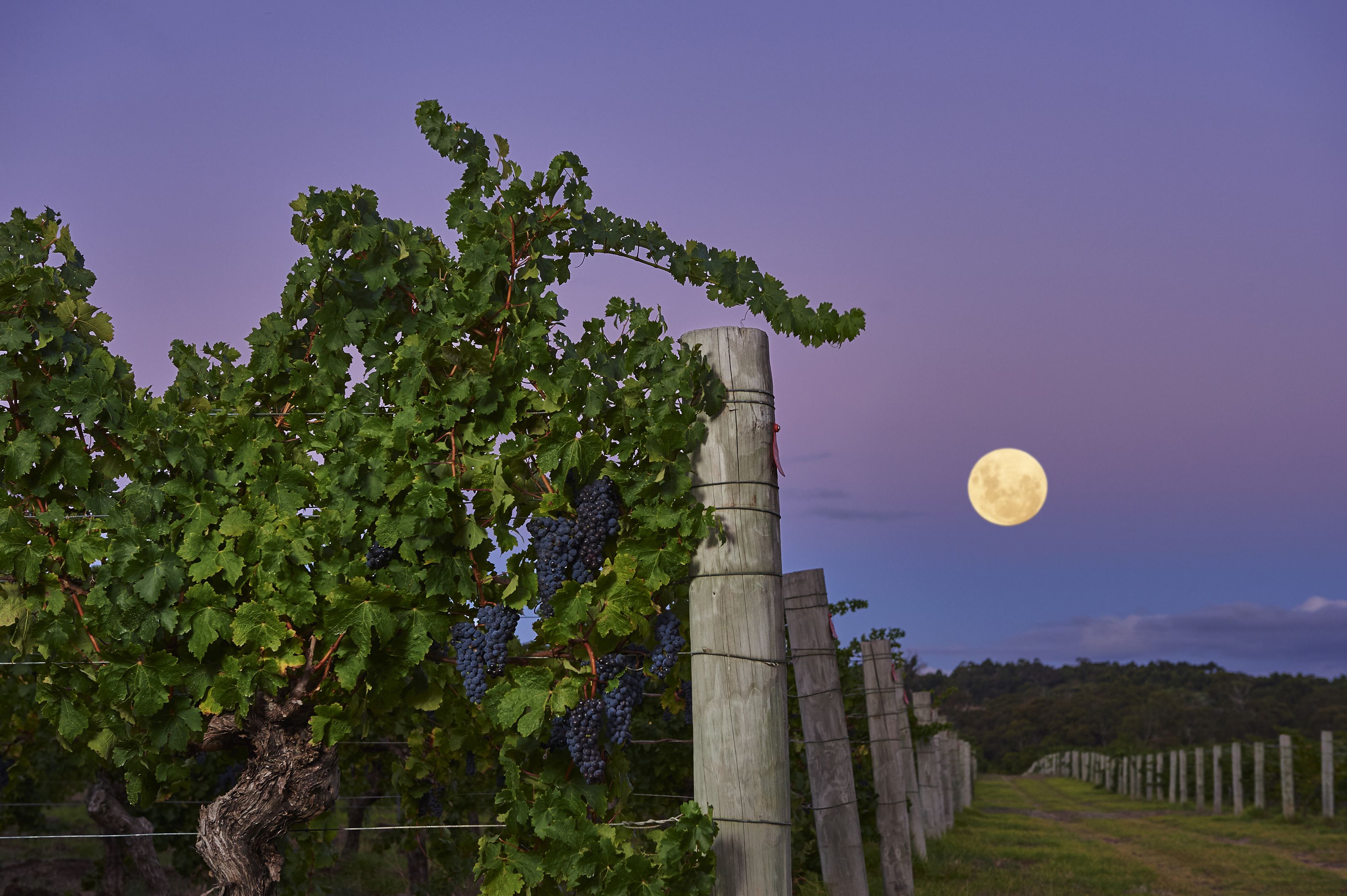
(L) A selection of native cover crops, (R) The full moon over the vineyards
The Margaret River has a very complex and diverse topography, which ties into its ecosystems and the natural environment. You and similarly minded producers are labelling regionally, even though this isn’t recognised by the appellation. What made you decide to do this?
Because, as you say, it hasn’t been recognised in the past and because there are people with a lot of money who don’t want to see it happen. Ultimately, when they want it to happen it will.
In 1998 I was doing a lot of wine show judging, and people were talking about Margaret River Cabernet’s being ‘green’. And I thought “Huh, our Cabernet’s not green” so I went to Keith Mugford at Moss wood and asked him what he thought and together we contacted Dr John Gladstone. Back in 1993, when they formally created the regional appellation of the Margaret River, John was the person who drew the map and of course he was the person who originally said that the region should be planted too. He told us that he’d already been thinking about subregions and showed us a map he’d also been working on, where he recommended Wilyabrup as a sweet spot for Cabernet Sauvignon. He was very adamant that every area had its own strengths which needs to be recognised not generalised.
We organised a tasting in 1999 to look at sub regionality and we had death threats from people. It was really intense. But we ended up with 70 odd producers coming along, and this was before cross regional blending and practices like adding tannin, so we could see clearly what the differences really were. In some, you could have a region that was 127 kilometres long and 27 kilometres wide, with vines that are the same variety and age, and have harvests a month apart from north to south. The further south you go, the more clouds and rain, while further north you had more heat. It was amazing. The subregions have meaning, and the winemakers have known that since the early 90’s because we did that tasting.
The indigenous, First Nation cultures of Australia had deciphered subregions in the country thousands of years ago. They named Wilyabrup and Yallingup as they did, because they are different, and they kept these names for over 65,000 years. So, why do we have a problem with sub regionally labelling our wines instead of just stating that they’re from the Margaret River?
It’s about branding. We’re allowed to use Wilyabrup on the label, but it’s not protected by a GI and our efforts to change this have been blocked. All we want, is for anyone using 85% Wilyabrup fruit, to have to put the subregion on the label, and for the same with the other subregions. It’s about honouring the land and the place where you grow grapes. We don’t want to separate our subregion from the Margaret River, we want to celebrate our differences. But I am having to come to terms with the fact that it’s probably never going to happen.
On a plus side, you have done an amazing job of promoting sub regionality in the Margaret River despite the lack of GI. A lot of that is down to the amazing vineyards you work with, and label sub regionally. Could you talk us through your key sites?
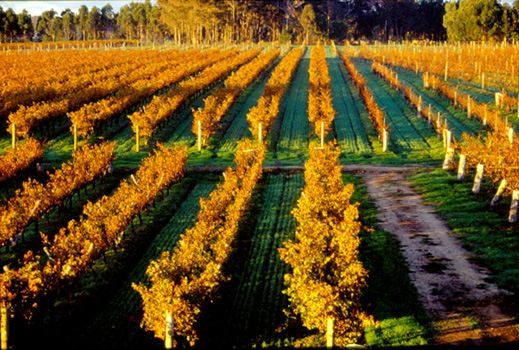
So, we’ve got Cullen vineyard and Mangan which are right next door to eachother on the west and east sides of the road respectively. Cullen was planted predominantly from 1971 to 1976. As previously mentioned, we started Cullen vineyard with just Cabernet Sauvignon and Riesling, and then planted Malbec, Merlot, Chardonnay, Sémillon and Cabernet Franc in the rest of the 1970s. Magnan was planted from 1995 to 1997. They’re both biodynamically farmed, but they are very different vineyards.
The land for Cullen is very old with small hills and slopes. The Cabernet Sauvignon is planted on the North-East slope with North-South rows and the Riesling has all been re-grafted to Cabernet Sauvignon as well. We’ve done a lot of trellising experiments with Cullen, so now the Cabernet is on a Scott Henry Trellis [a cane-pruned system]. Basically, this has shown that by opening up the canopy you get more sunshine exposure and a better chance of achieving phenolic ripeness. Cabernet is the most difficult variety to achieve phenolic ripeness with, so this change has been a really positive thing for us.
We’re also doing replants now with our Merlot, as the clone we had been using isn’t right for us. There are a lot of clones to choose from now that aren’t economic yielding, so we are pulling them out and replanting with a new Merlot clone, some more Cabernet Sauvignon, Malbec and Chardonnay. That’s all happening next year and isn’t something we’ve done for a long time. But we have enough water for Cullen vineyard to do that now.
At Mangan it’s more about the Petit Verdot, the Malbec, Sauvignon Blancs and the Verdelho. We had to put a lot more drainage systems in there too as it’s very flat and there is a lot more water now than there used to be. We’re doing some replants on the Magnan Petit Verdot as well. So, across both vineyards we are really doing a major re-investment back into the property. There’s no ‘right time’ to do this, but there’s no time like now. And I can see how the natural forests are sort of doing the same thing naturally, so it feels like it’s a good time to be making these changes.
We’re also doing a lot of renaming with ancestors, like with the Cullen Sauvignon Blanc/Sémillon, we’ve renamed that after my maternal grandmother Grace Madeline. She was a Suffragette in London and an admirer of Emmeline Pankhurst who moved out to Tasmania after she met my grandfather Stanley. She was an amazing woman who did a lot of work with underprivileged children, for which she won a King’s medal, and was also a nature photographer. She was very independent and very supportive of women having an education.
Then of course we’ve named the Wilyabrup Chardonnay after Dad, Kevin John and the Wilyabrup Cabernet/Merlot after Mum, Diana Madeline. The Mangan vineyard Sauvignon Blanc/Sémillon is going to be named after my paternal Grandmother, Evie Clark. She loved the piano and used to sing, I think I got a lot of the musical interest from her.
Throughout this conversation, it seems a key theme has been about respecting the land, the lands history and our ancestors, and the influence of the First Nations populations plays an important role there. How do you try and bring their influence back into Cullen?
Mum and Dad, particularly Dad, fought for the indigenous people to have houses in the 60s, because at that time they weren't allowed to live in the town. The First Nations people are very important to us. Fast forward to now, we have been working with local indigenous people to do controlled burnings, which we need to do in order to control bush fires in the summer. The government used to do this by dropping kerosene on the coast in the springtime and just burn everything, but the indigenous people burn in the autumn. They have a cool burn, which is a very low burn where the carbon goes up and then comes back down and so on. So, we have been having indigenous locals do this with our land.
They assessed where all the animals were and the biodiversity corridors and the different types of trees. They started clearing up the land and just putting everything into piles, over three days. Then they burned a small area, before repeating the process. It takes a long time, but it’s about this concept of land care, of looking after the animals and burning different tree species differently. Because of this, they burn in a mosaic across the land so you can control the fires without having to burn the entire estate in one go. It’s so beautiful.
So much of what Cullen does is directly related to making sure the land is represented in the wines. Which winemaking decisions to do you make to ensure this?
So, we say that we grow wine, we don’t make wine. I think having that mindset was the biggest change we made in the early 2000s, apart from becoming biodynamic. We have always worked with minimal additions, but, for example, with the white wines, we’d harvest the fruit, chill it overnight and then crush the next day. We’d then add enzymes and sulphur, rack off the lees and add yeast, acid, all that stuff.
What we do now, and have done since the early 2000s, is we harvest on the biodynamic auspicious day, bring the fruit in, press the same day and add nothing. We started trialling with natural yeasts as far back as 1991, which is when we were converting to organics. But, when we went biodynamic, we started using natural yeasts with everything. It was stressful, just waiting for hundreds of thousands of dollars worth of fruit to start fermenting. But they did and we slowly learned more about how to manage that and how best to treat each variety.
We make the decision when the fruit comes in, as to whether it will go into into amphorae, or a concrete egg or into barrel. From there, the wines more or less make themselves and our approach is just minimal intervention in a very authentic way. The only additions we really make are a little bit of sulphur at bottling, and I suppose you can argue the oak influence, and then on some of the whites we may add bentonite. But it’s as little as possible. We don’t add anything else to the wines.
Having said that the most important thing to think about is the yeasts, which play a huge role in what we taste in the bottle. We discovered in 2008, that we had 600 different Saccharomyces strains in the vineyard and 400 in the winery. So, when we say they’re vineyard wines, we have to understand that the vineyard is very loud in the winery too. The style of the wine is dictated by the fruit and not of what I think it should be. We spend most of our time and money in the vineyard, so we need to make sure do justice to that.
When we say that it’s the voice of the land in the glass, it really is just that.
For more information about purchasing the wines of Cullen, please contact your Account Manager. Not yet a customer? Contact Us to discuss opening an account.