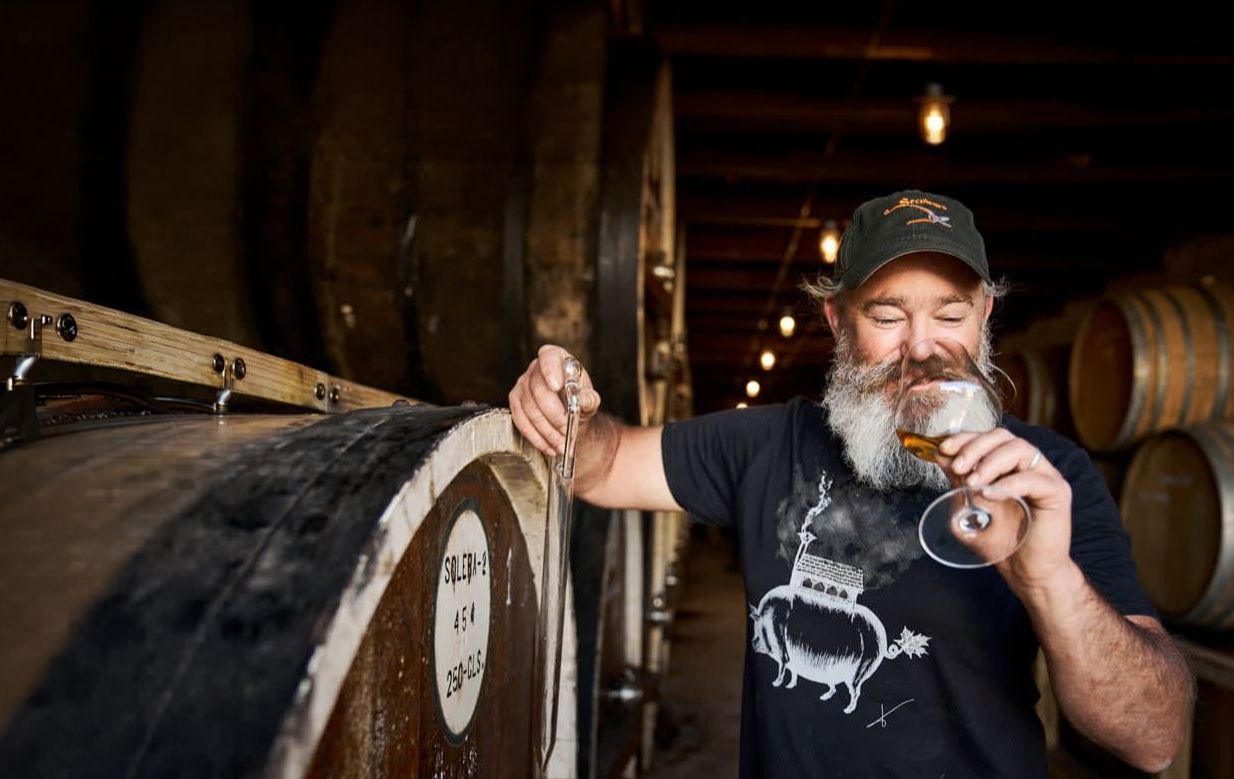
Though in the UK we are perhaps most familiar with South African wine, the country has a rich drinks heritage that extends far beyond that category alone. Many vineyards were first planted to produce grape spirits and fortified wines. For example, Constantia began making and exporting fortified muscat wines in the 17th century, which became beloved by European royalty, Napoleon and many famous poets and artists of the time. At the same time, brandy became popular and fashionable, creating a booming grape-spirit industry that lasted for centuries. However, in the modern era, these two categories declined, and with it, production waned significantly.
Adi Badenhorst is part of a small movement helping revive these traditions. Though wine and farming are at the core of AA Badenhorst, Adi and his team are also well known for their sherry project, over a decade in the making, and their interpretation of an extinct vermouth called Caperitif.
Here we speak to Adi about these projects, what inspired them, and the people driving them.
For more information about purchasing Saldanha Sherry and Caperitif, please contact your Account Manager. Not yet a customer? Contact Us to discuss opening an account.
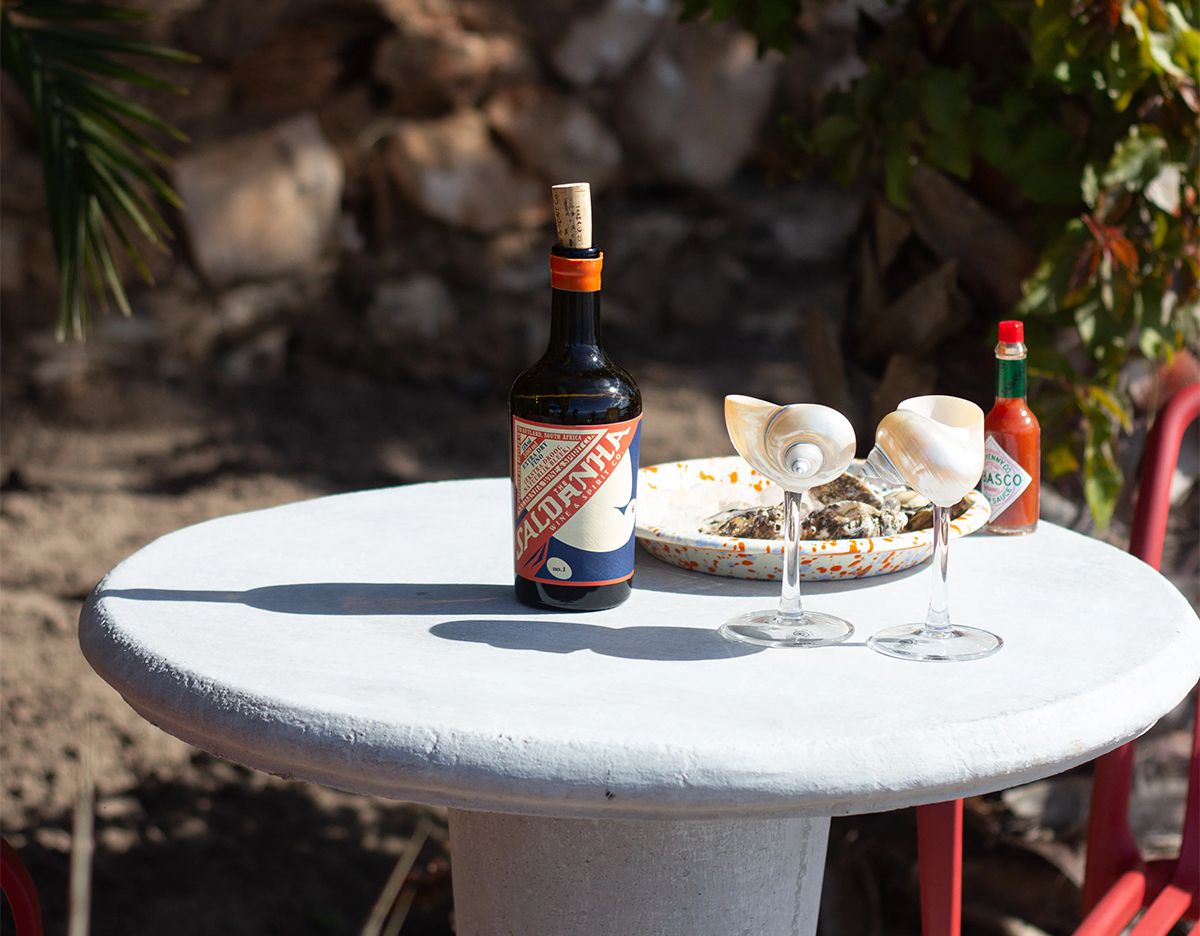
What inspired the Saldanha project?
South Africa has a long history of fortified winemaking. Distillation goes way back, and so does sherry-making. South Africa had quite a few prominent soleras. The last commercial-size solera to be dismantled was Monis in Paarl, and they dismantled it just after COVID. So, there was this massive vacuum. There was no sherry. We started making sherry, or vino de postre-style wines, way back in 2007 and 2008 when we moved here. I’ve always loved the wines. I’ve loved the magic that happens when you take a grape like Palomino or Chenin Blanc and let a nice layer of flor grow on top. The interaction of the flor and the wine and time on that wine has always been, for me, a magical thing.
I’ve always loved sherry, and we’ve only got into it seriously in the last couple of years. We’ve been making bits and pieces, but now we’re quite focused on making proper sherry-style wines, according to the proper style classifications and descriptions.
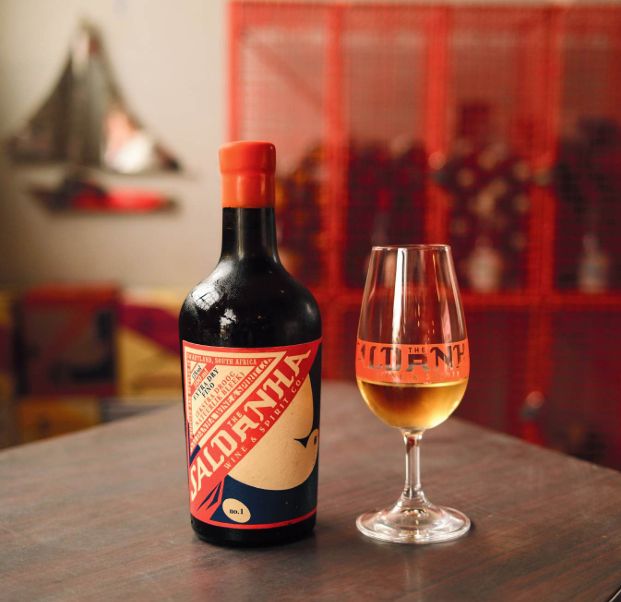
We bottled our first Amontillado-style wine at the end of 2023. It had been 14 years in cask. And then we bottled an Oloroso-style, a medium cream, a full cream, and a couple of finos. We’ve just recently bottled a Palo Cortado-style, which spent the first four years under flor and the last 16 years without flor. It’s 100% Chenin Blanc, and quite an interesting wine. It’s called PC. Palo Cortado is not a category in South Africa.
Tomorrow we’re bottling a fino and, quite excitingly, a style that, in South Africa, is called natural pale, or vino de pasto. It’s aged under flor but unfortified. We’re bottling a little bit of that tomorrow, and another fino. We’re ageing it in Saldanha Bay, right on the ocean. We’ve got about 22,000 litres, mainly fino style. There are one or two Oloroso casks.
But the Saldanha sherry project is just a passion project. Hopefully it can make us a bit of money so we can buy a few more casks and go back to Jerez and Vinoble again in 2028.
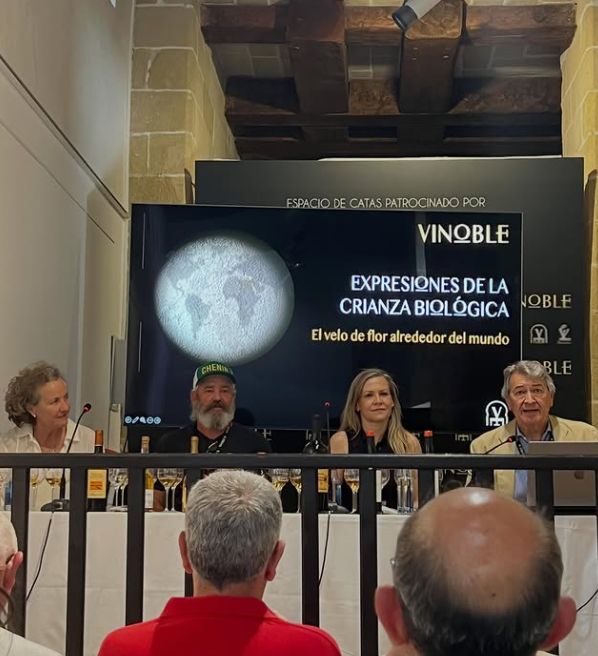
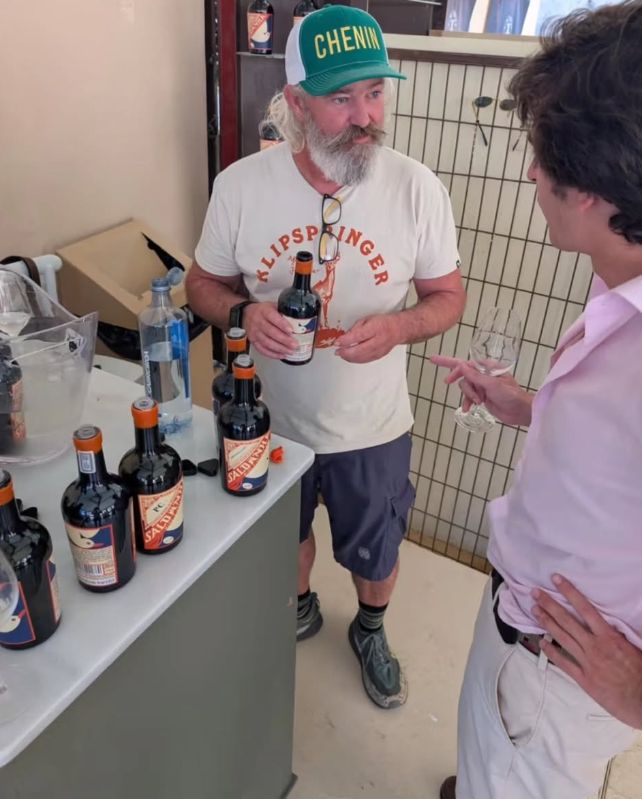
You were involved in the 2026 Vinoble Jerez Wine Fair. How was that experience?
Yes, I did a seminar with César Saldana and Montse Molina from Barbadillo. Jerez is an amazing area, and the whole association there, in its pursuit of sherry, is astounding from a marketing and growth perspective. Seeing how much work goes into this region opened my eyes. The producers’ dedication was incredible. The way they look at vineyards and styles also makes Jerez one of the world’s most dynamic wine regions. That is the great thing. It’s so exciting.
Do you think it resonates with you because the South African winemaking community is as engaged as the Jerez winemaking community?
Absolutely, if you’re not working together, you’re an idiot. Seriously, you’ve got to work together. And it does resonate. With the producers we met there, there’s a really nice exchange of ideas. You need that exchange of ideas, to listen, sit down, and understand, because we’re all in very different circumstances.
Saldanha Sherry is trying to sell our style of sherry worldwide, and we often feel on our own. And I think those guys may feel, “We’re selling sherry-style wine in the rest of the world. We need to show people how complex this region is. It can’t be defined just by Manzanilla, Palo Cortado, or the old sack wines they used to make. This is the region.” When people realise that the region becomes exciting, they start working together. We had lunch at a pretty cool little restaurant, and at the next table were young winemakers from Jerez tasting amazing old wines, historical wines from Jerez, and the new stuff. So, there’s a sense of history. They know where they’re from; they respect that deeply, and they understand the vineyards and certain plots. But they’ve also got a different perspective going forward. You’ve got to know your past properly before you can look forward and really understand a place. That’s what Jerez has for me, in a very good way. And I think the Swartland has got that, and South Africa has got that.
Did the experience inform how you are approaching sherry making going forward?
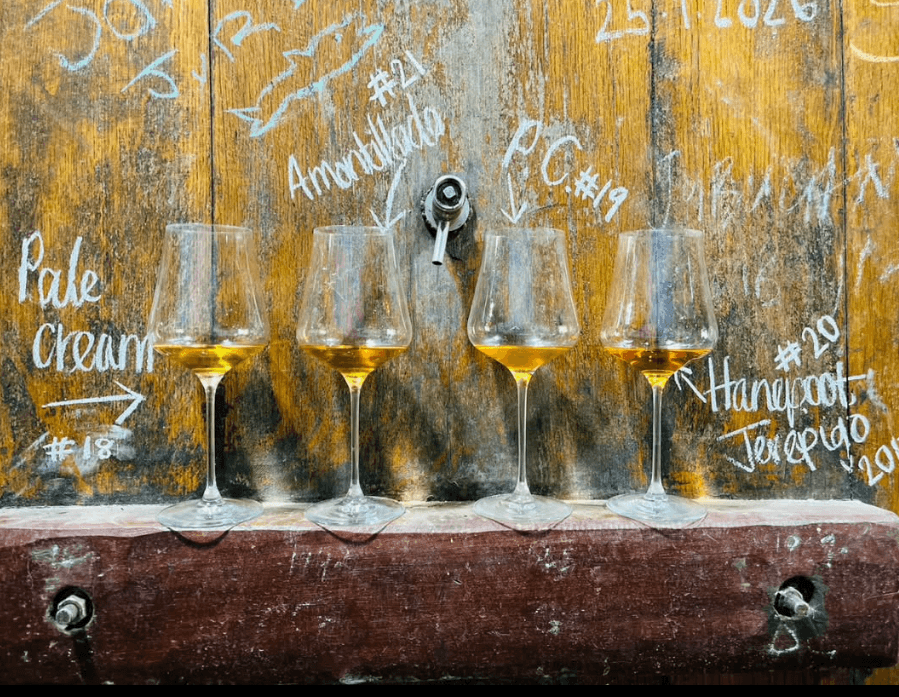
Oh yeah. I’ve been to Jerez a few times with Raúl [Pérez] and then a couple of years ago with Selma Willemse, who has been working for us for five or six years. Selma is in charge of all the fortified stuff. I went to Jerez with her, and then we went again for Vinoble this year. Every time you go, you go deeper into what Jerez is, and you gain a better understanding of the wines, the styles, and how they’re made. And of course you get to know more people there, and the more you get to know the people, the more you can learn. It’s like going to any region. You can go to Burgundy for a week and taste all the fancy stuff, three or four visits a day, but I’m not sure you really understand the region unless you’ve sat down in a tabanco, listened to some amazingly haunting flamenco in the background, had some cool tapas, with the barman writing in chalk on the bar counter, and drunk with the guys. That’s when you understand people and get to know them: when you drink together. But when you go and taste and visit, it’s a different, more superficial kind of interaction.
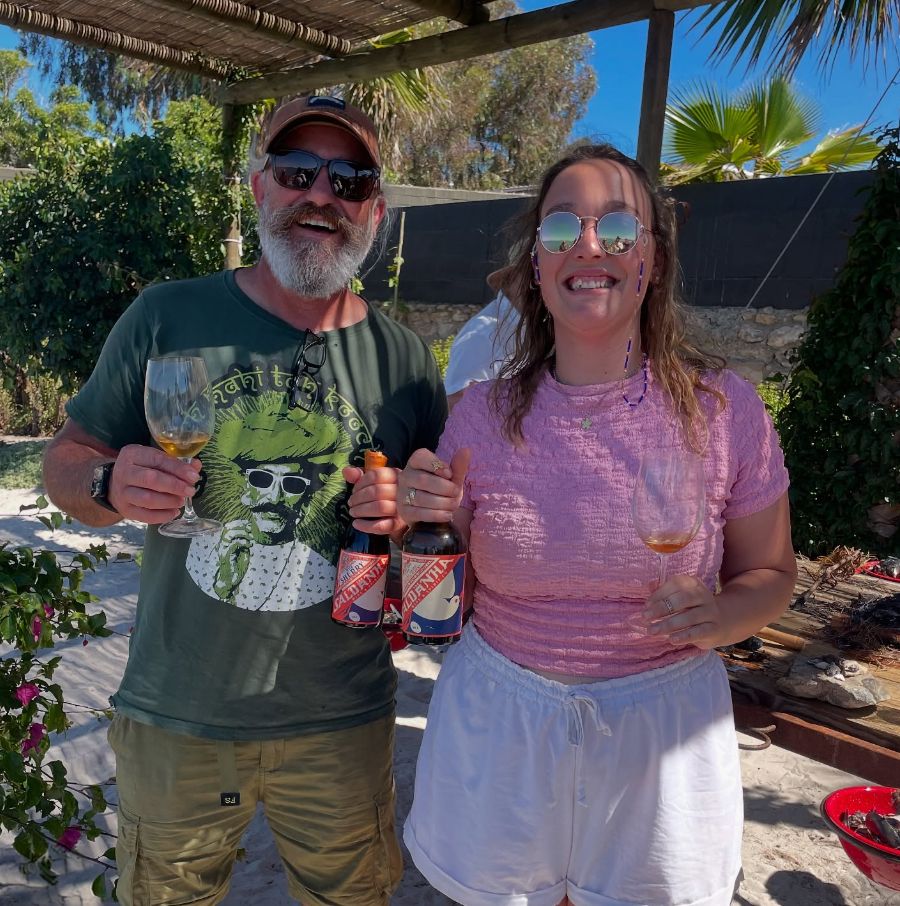
What is Selma’s role in Saldanha and how has she helped develop the project?
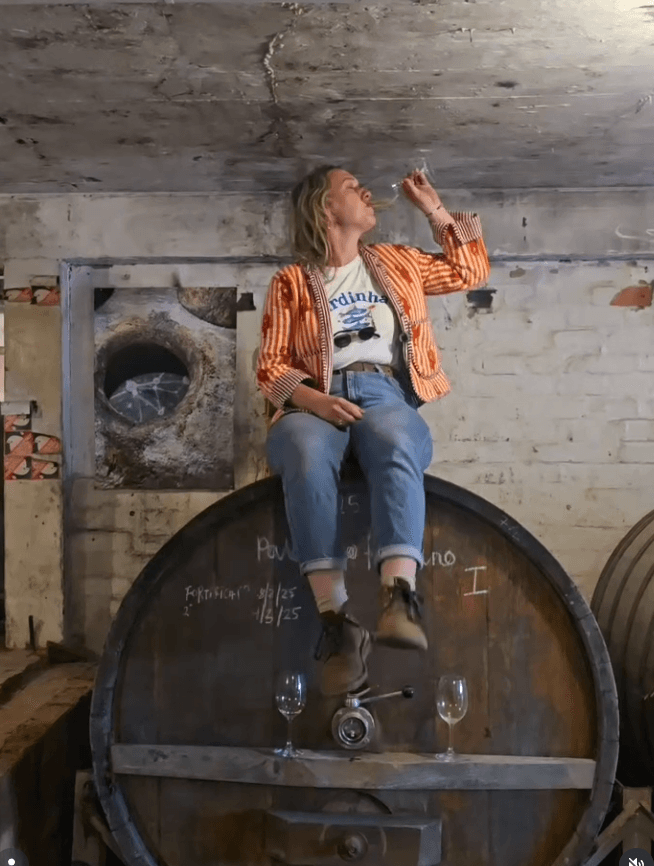
Selma started here as an intern in the cellar. She has an amazing work ethic and a very good palate, she’s extremely intelligent, and she’s also amazing logistically. She’s just grown into the role. She found an affinity and a love for the sherries when she started tasting these wines.
My father, who is also involved in our business, told her when we left on our first overseas sojourn, “Listen, Selma, I really hope you become the sherry queen of South Africa, because that is what South Africa needs.” And Selma has completely become that. The most knowledgeable person in South Africa on sherries, I would say. She’s tasted hundreds of sherries and takes notes on all of them. You speak to her and say, “So it’s a little bit of Palomino,” and she says, “No, no, that’s not Palomino. It’s more…” She’s got an amazing affinity for it and a passion for the sherries, so she’s ideal.
And here, because we’ve got space and we’ve got the varieties and we’ve got time, we can do this. Every year, every month, whatever we bottle, there are amazing blends to put together. It’s about figuring out how the cellar will work and what it’ll look like in five or ten years, because sherry is something that hopefully transcends generations. It’s very seldom vintage stuff. It ends up in cellars and needs to be taken care of in different parts of the bodega.
That’s Selma’s absolute love and joy, and she’s amazing at it.
What instigated the move to Saldanha Bay?
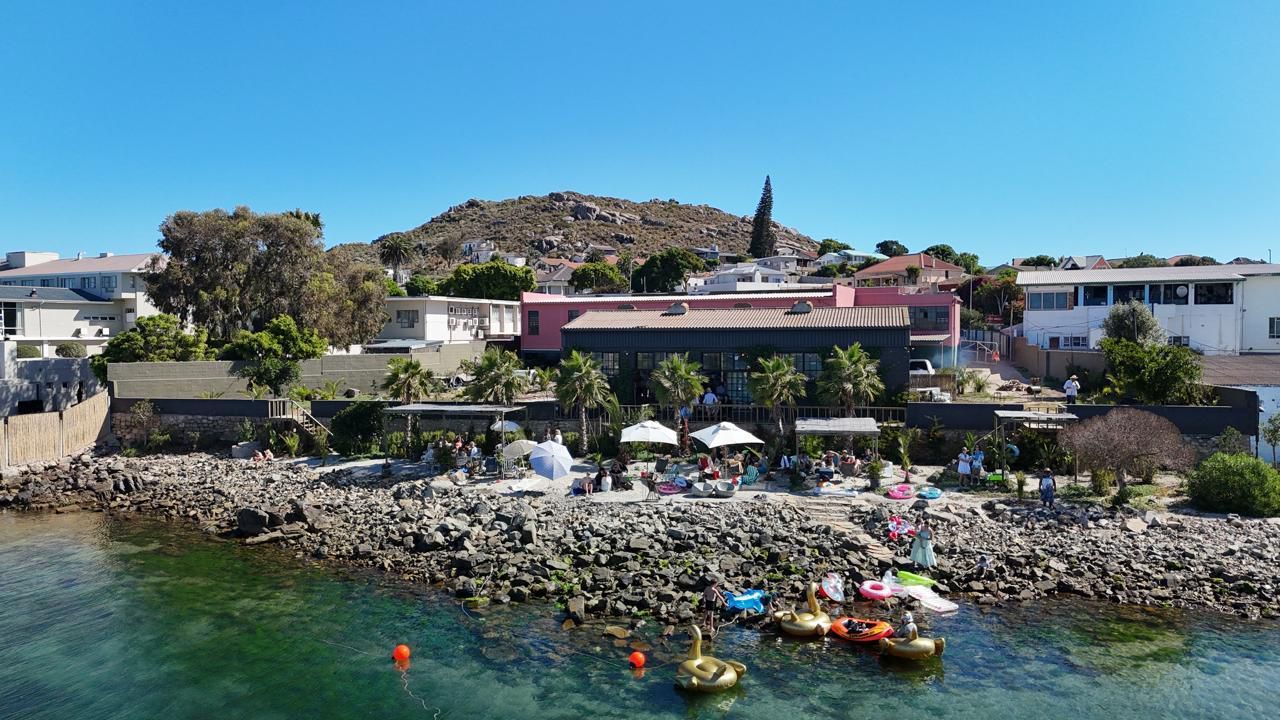
We bought the place where the sherry project is now based five years ago. It was an old gas station in the harbour. We just saw the property: the tanks had been removed, and it was this place with 80 metres of waterfront, in disrepair. Somehow, we managed to buy it. I told my cousin, “Listen, man, this is where we’re going to mature all the finos, the Manzanilla-style kind of stuff,” and we did that immediately, moving all the fino components to Saldanha Bay. There are one or two Oloroso casks, as I said earlier, and about 22,000 litres of fino. The winery is literally 30 metres from the water. Because it’s the West Coast, it doesn’t get so hot, and there’s high humidity, which is ideal for growing flor.
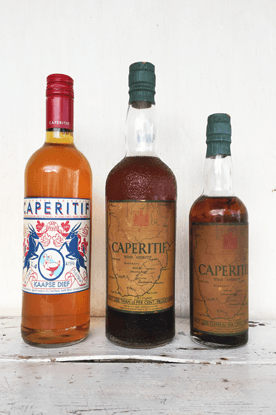
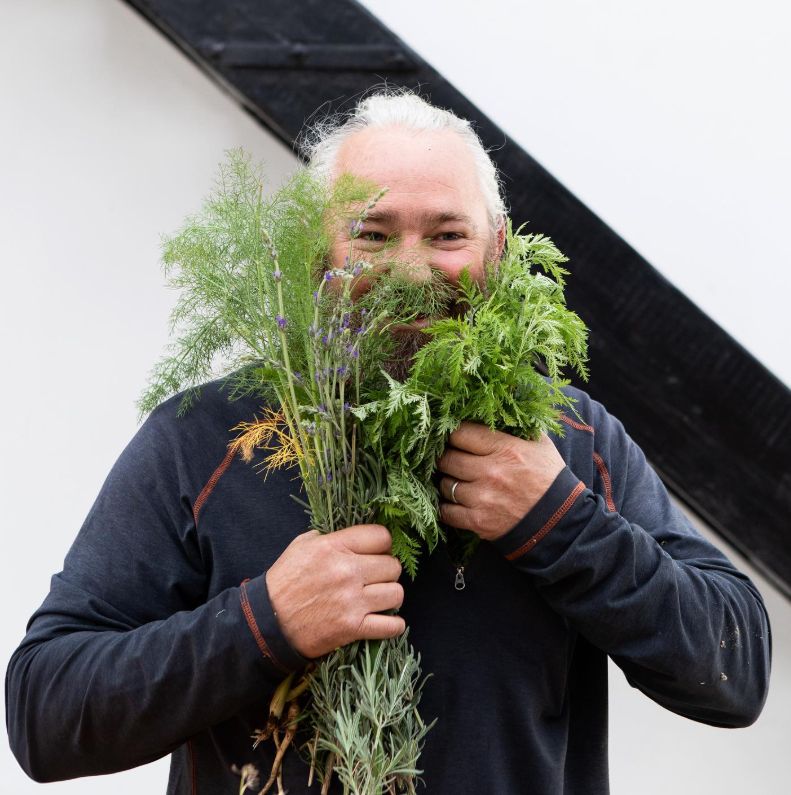
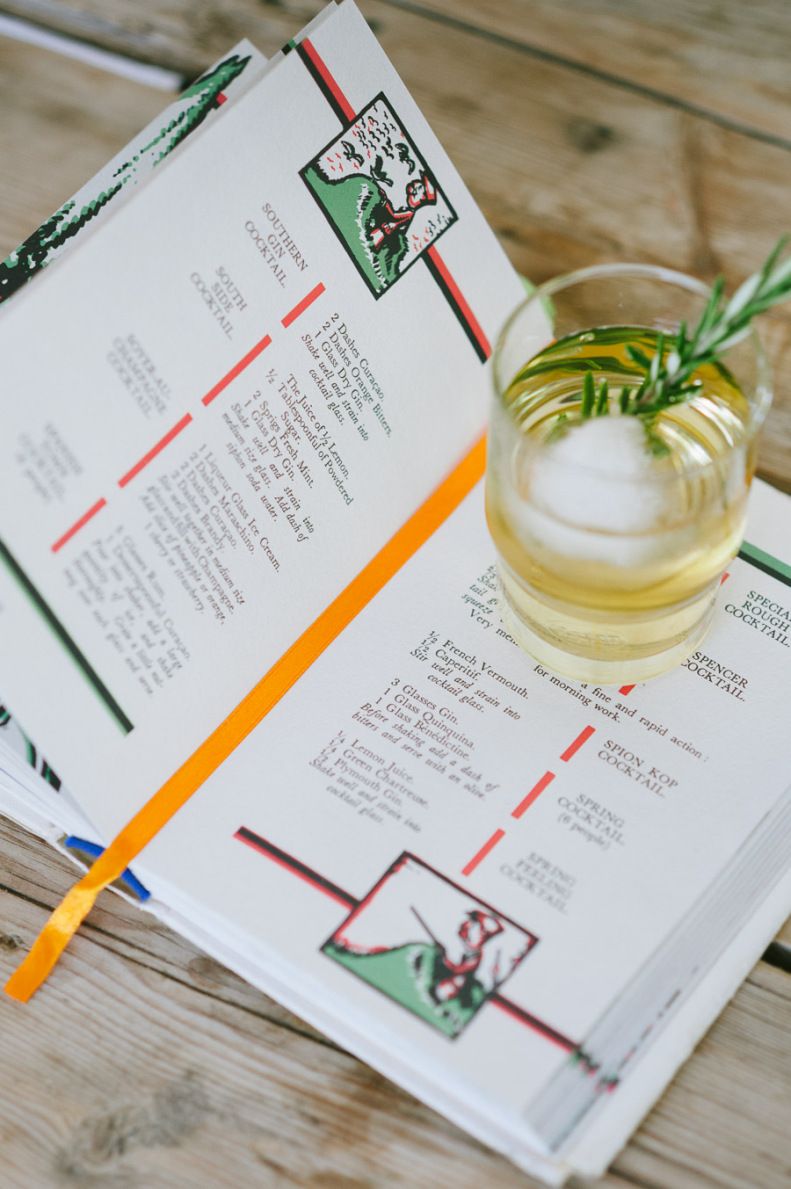
You’ve also embraced other South African wine traditions by reviving Caperitif. Could you tell us more about that project?
Caperitif is a vermouth, or aromatised wine. In 2014, a tall, skinny guy called Lars Schmidt came in here from Denmark. He’d been to a wedding in South Africa, met a friend of mine, and heard about a thing called Caperitif. He was a mixologist who’d worked primarily on the East Coast of America in the early 2000s and was deeply embedded in that scene. A lot of bartenders go back to the bibles, and one of the cocktail bibles is The Savoy Cocktail Book. It mentions this ingredient in a few cocktails as Caperitif. It originated in South Africa, and so did the cocktails. In fact, it’s the only brand mentioned by name in the whole book. They wouldn’t say a dry vermouth or a sweet vermouth, or a Canadian whisky or a brandy. They named it by its brand name: Caperitif.
Lars asked if we’d heard of it; we hadn’t, but we decided to try to recreate it. We went up into the mountain, picked a whole lot of botanicals, took plenty of stuff from the garden, and started experimenting with a wine base, infusing indigenous botanicals and bits of fruit. Through that process, we developed a new recipe for Caperitif. We’ve been bottling it since 2014, so more than a dozen years now, and we’ve got a really cool solera going. Every time we make a new batch, we add 20% of the old solera to the new one.
We make it by infusing mountain botanicals along with spices you’d find in your kitchen: pepper, maybe mace, cinnamon, and plenty of other well-known ones. Then there are fresh herbs, a big stone-fruit component, citrus and flowers, and bitters. We blend all of that according to our recipe, but we do the extraction on wine. The wine base is often a blend of Chenin Blanc, Muscat and Bukettraube. We extract after fortifying the wine to 15.5 or 16, so it’s slow, taking two, three, or four months. Extraction into alcohol is very quick, but we’re very slow here in the Swartland, so we prefer a slower extraction. We mix the tank and taste: “Okay, let’s take out the rooibos now. There’s too much buchu here. Let’s take that out.” Buchu is one of those things: you need basically three leaves to flavour the whole tank. But we do it like that.
Caperitif is just an amazing drink. It’s so easy to drink, with tonic, on its own, on the rocks. And of course, all the old cocktails, Boerekop, Cape Engine, Cape Town, contain Caperitif. I like it with tonic and an orange slice.
For more information about purchasing Saldanha Sherry and Caperitif, please contact your Account Manager. Not yet a customer? Contact Us to discuss opening an account.