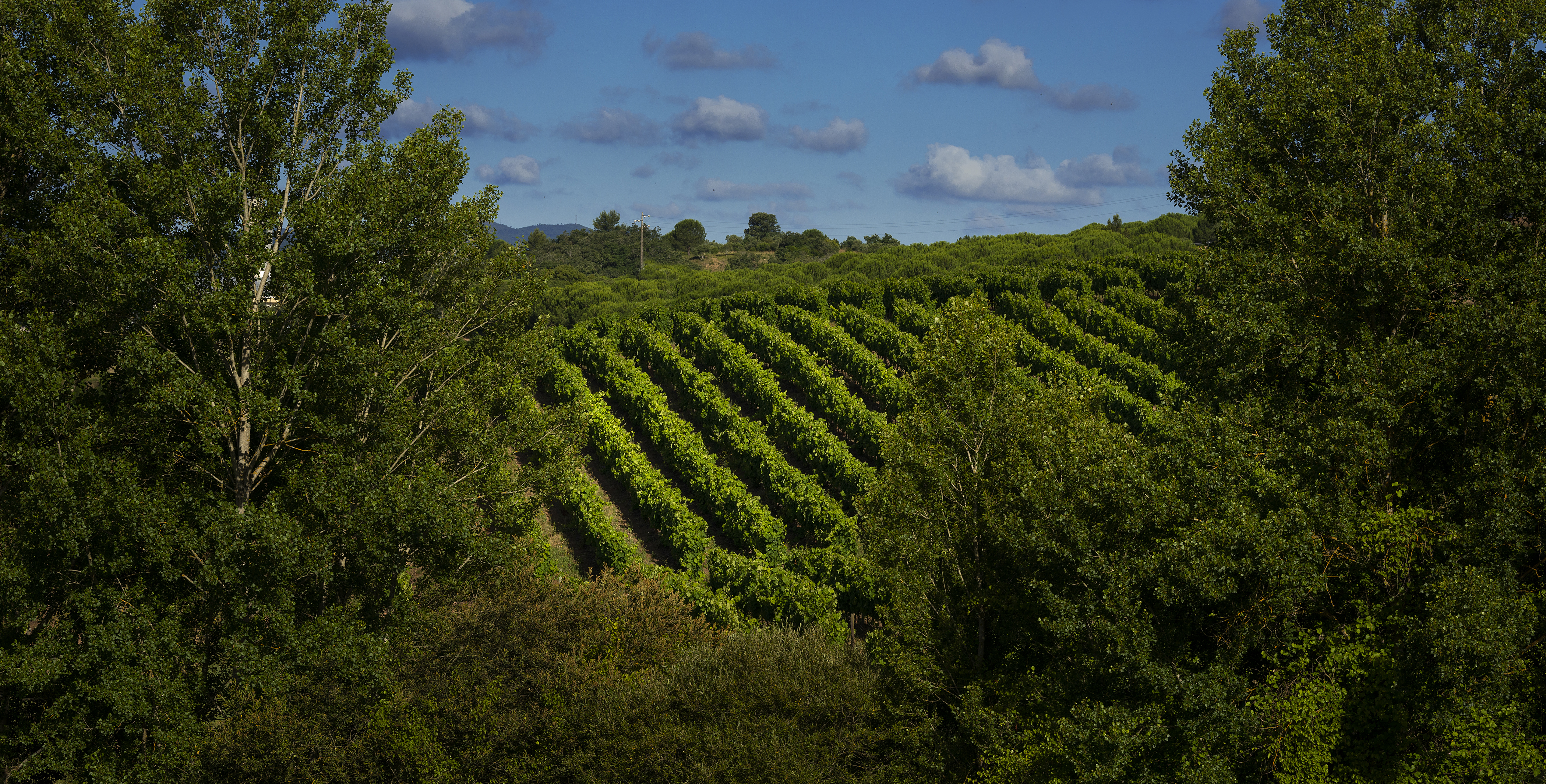
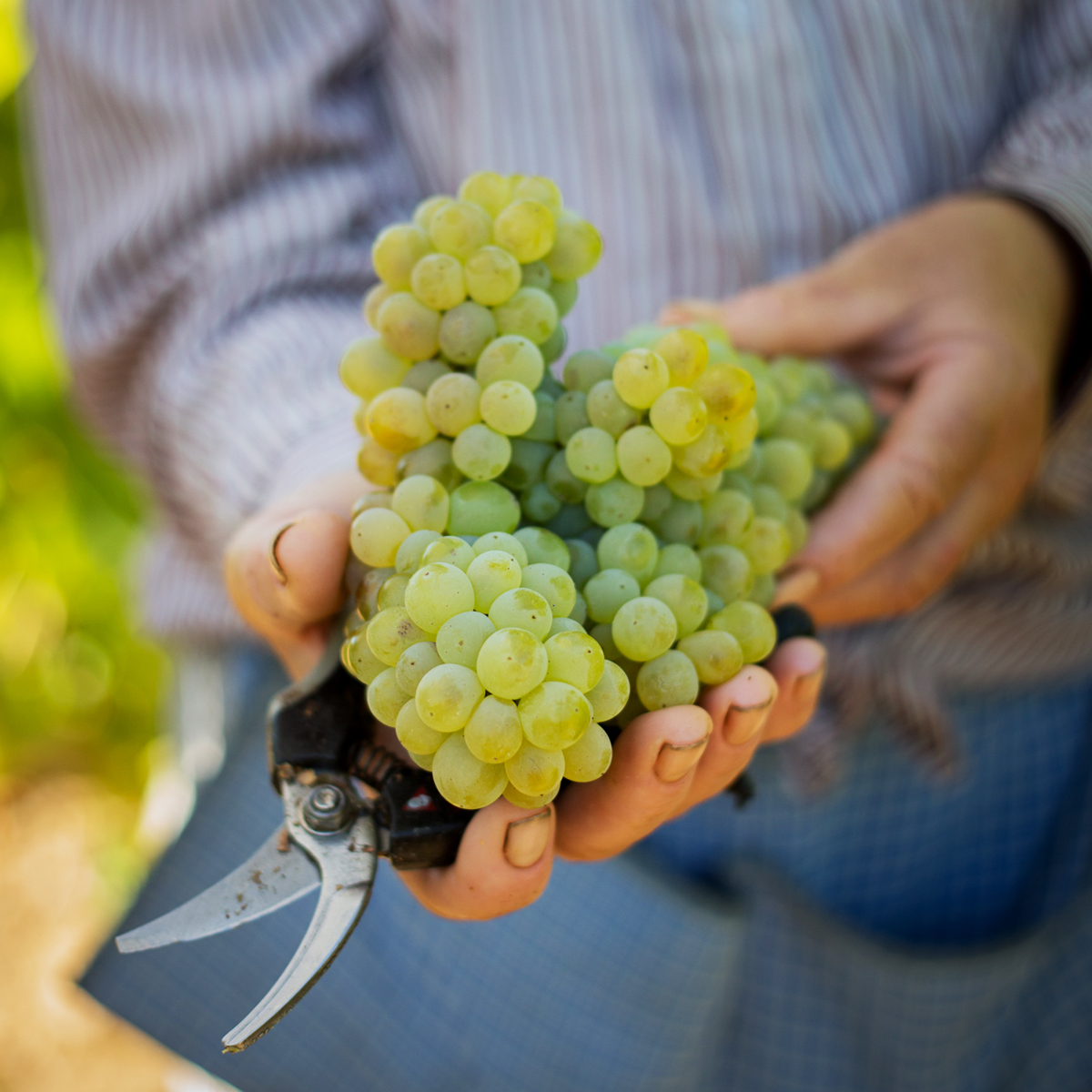
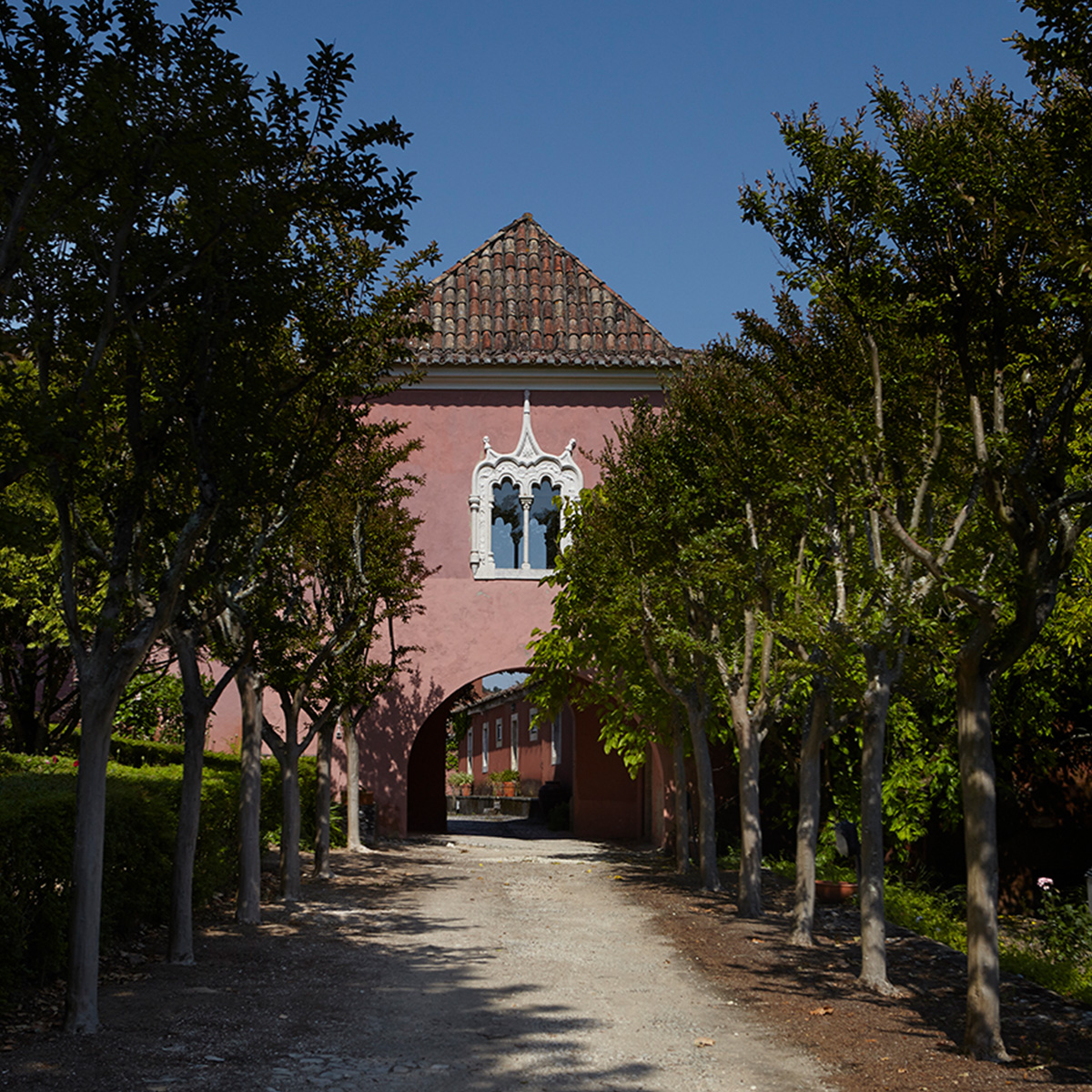
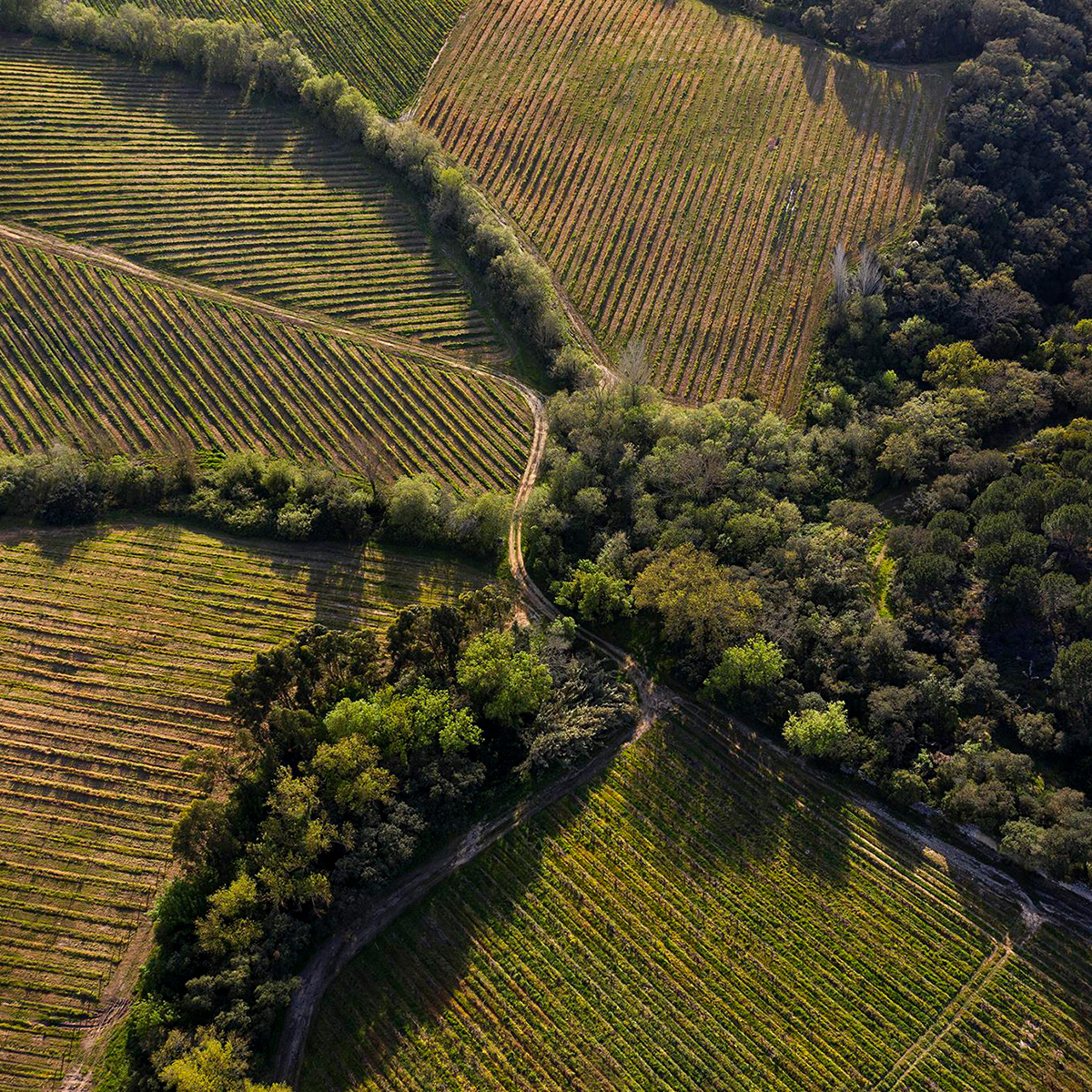
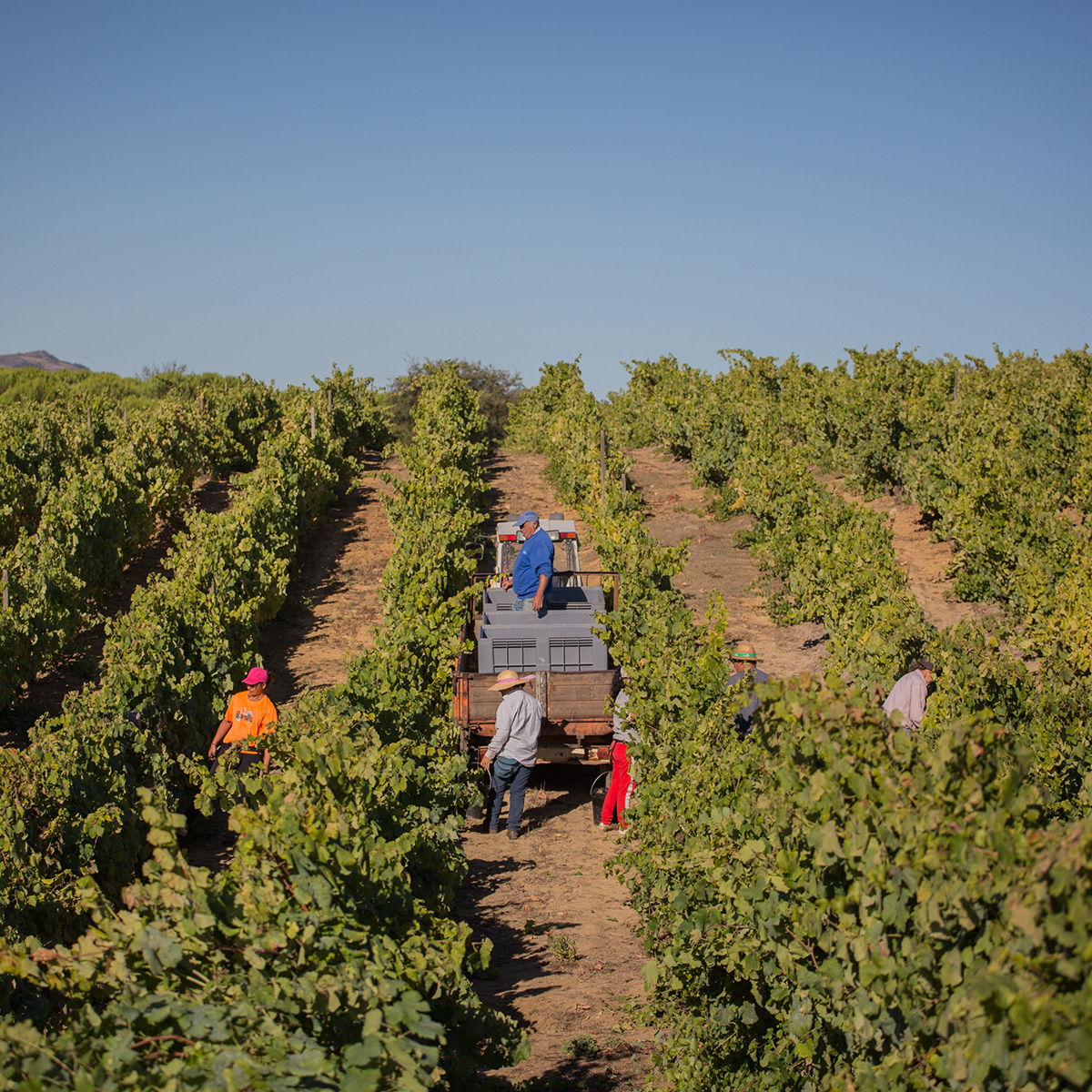
Quinta da Romeyra (formerly Quinta da Romeira) is one of the most prestigious estates in Bucelas, Portugal’s only exclusively white wine appellation. They pioneered modernisation in the region over the past 30 years and are believed to have the largest Arinto vineyard in the world (a grape variety they have been associated with since 1540), with 75 hectares of vineyard dedicated almost exclusively to the grape, planted on clay-limestone soils. The property was bought by the Guedes family in 2018, who have invested heavily in the estate, improving the viticulture and, as of 2023, putting the talented Luís Cabral de Almeida (of Herdade do Peso fame) in charge of winemaking.
Quinta da Romeyra has a remarkable history. During the Peninsula Wars (1808-1814), the Duke of Wellington used the estate as his headquarters, developed a taste for their wines, and brought them home to London as a gift to King George IV. They soon gained a following in Britain, with celebrity fans including Charles Dickens and Lord Byron. In 2025, the estate name was restored to its original spelling of ‘Quinta da Romeyra’, as cited in the first historical record of the property, dating back to 1218.
The ‘Prova Régia’ is a nod to this royal endorsement, with the name translating as ‘royal approval’. Made from 100% Arinto fermented in stainless steel and unoaked, this is a vibrant wine boasting precise aromas of ripe lemon, green apple and a marked minerality. Four months of lees stirring add texture to the palate, and a crisp acidity carries the bright fruit flavours through to a clean finish.
The ‘Morgado de Santa Catherina’, is a partially barrel-fermented 100% Arinto. Aged for nine months in French oak barrels, 40% of which are new, with regular bâtonnage, it marries delicious brioche aromas with the characteristic zesty fruit of the Arinto.
The ‘Espumante Bruto’ is a traditional method sparkling, which is, again, made from 100% Arinto. The natural linear acidity of this prized, indigenous variety lends itself particularly well to sparkling wine production. After secondary fermentation in bottle, the wine is aged on its lees for a minimum of twelve months, gaining remarkable biscuity complexity.
All wines from this producer
Producer | Wine | Product Code | Features | Style | |
|---|---|---|---|---|---|
| Quinta da Romeyra | `Prova Régia` Bucelas Arinto | QR101 | W | Factsheet | |
| `Morgado de Santa Catherina` Bucelas Arinto | QR102 | W | Factsheet | ||
| Espumante Bruto | QR103 | SpW | Factsheet |